
December 30, 2020
nettlesome – adjective : causing annoyance or difficulty
“Hate the deck, not the player.”
Perfectly reasonable statement, right? Aside from using the word “hate”, which I think is an ugly word tossed around far too facetiously, I understand the sentiment.
If you dislike playing against strategy X (where X = discard, land destruction, draw/go, Stax, etc.) then rail against the deck, not the person playing it.
Except…it’s not that simple.
On the surface, sure – it is that simple. Heavy resource denial, often referred to as Stax, is one of the most reviled strategies you can play. If you sit down with a stranger at your LGS for some casual games, and they play a Stax deck, you shouldn’t get mad at the player, right? It’s the deck you are frustrated with. Point your exasperation thereabouts. Players should be able to play whatever deck they enjoy, whether their opponent enjoys playing against it or not.
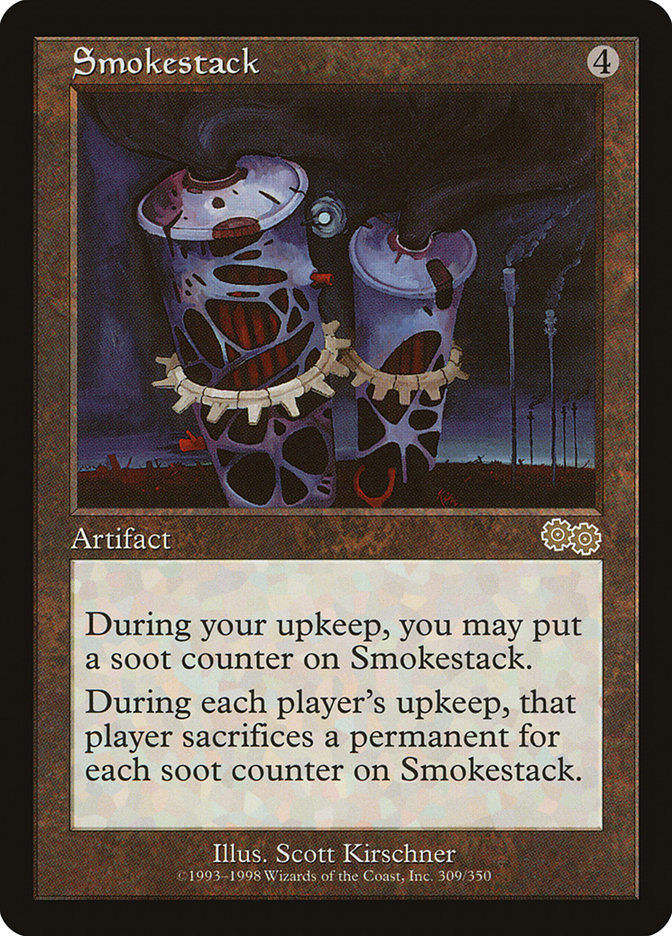
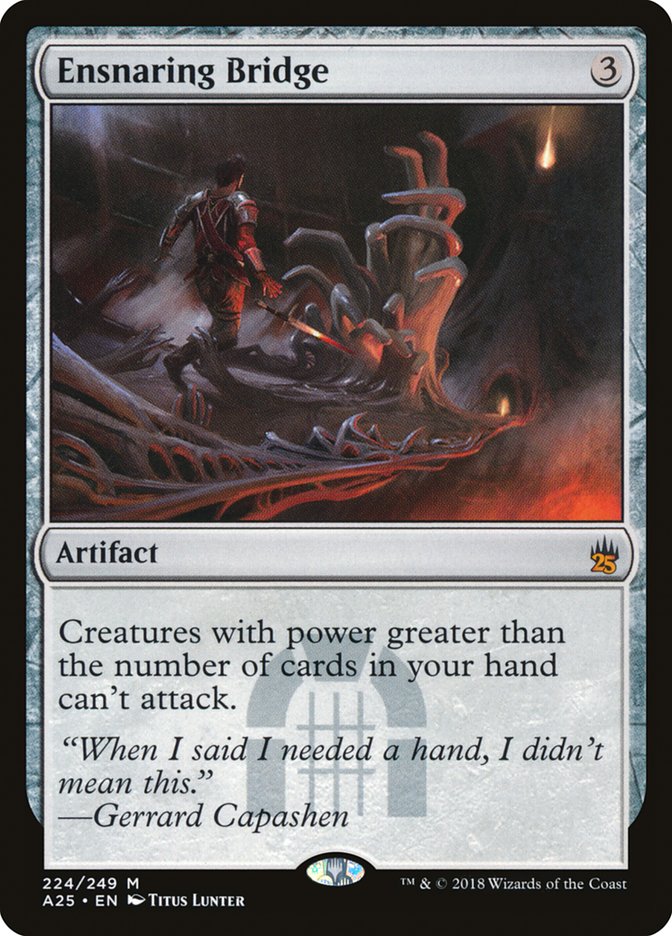
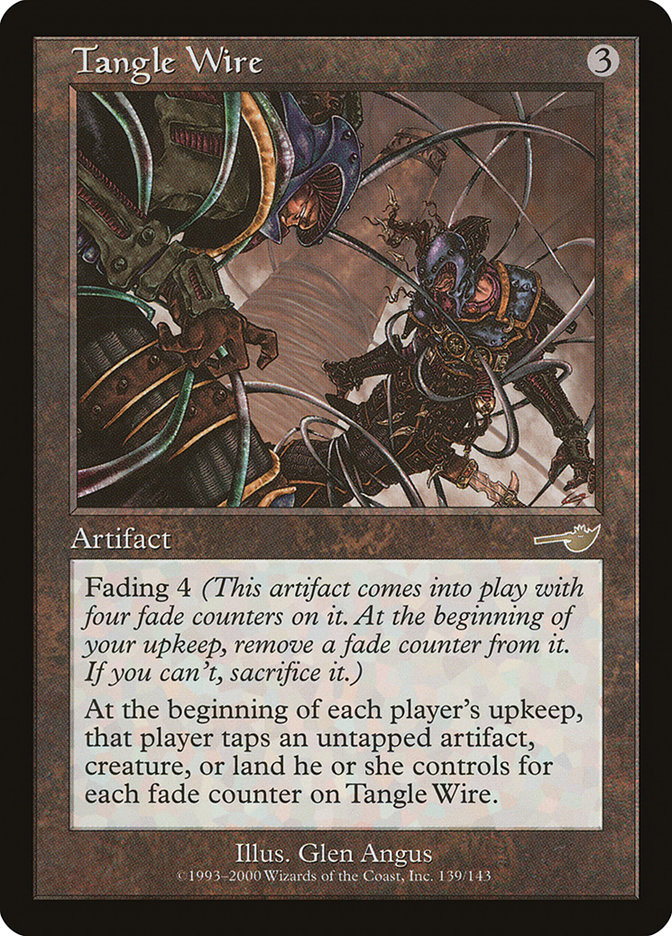
(This is where the “but” comes. You knew there’d be one.)
But…
Magic works differently than most other games. If you sit down with someone else and play poker, or chess, or Monopoly, your actions have a very limited ability to affect the other player’s enjoyment of the same game. A chess player may be able to choose a strategy you don’t want to play against, but that strategy doesn’t affect your ability to move your pieces or play your own strategy. It’s impossible to alter how the pieces move or prevent a player from making a legal move they wish to make.
Similarly, a Monopoly opponent can’t employ a strategy that prevents you from collecting your $200 when passing Go, and they can’t limit how many houses you can build on a property you own.
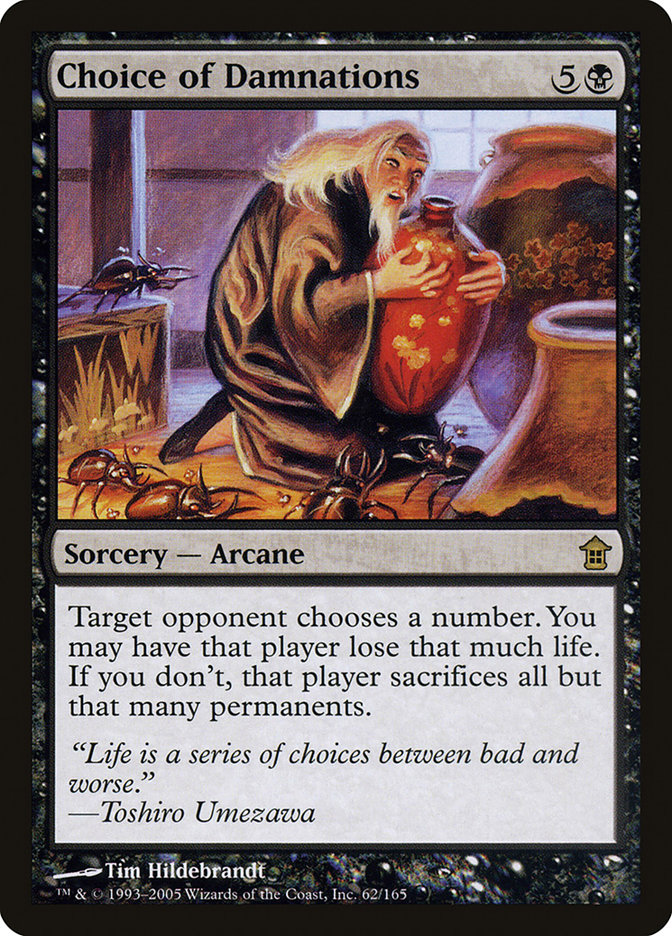
Magic, on the other hand, allows the participants to warp the rules of the game in a way few other games do. Magic allows a player to choose a strategy that can totally nullify what the opponent is trying to do. Heavy discard can often prevent your opponent from playing all but the card they topdeck each turn; land destruction can destroy the resources the opponent needs to cast their spells; Stax (in its various forms) can make it all but impossible for the opponent to advance their gameplan.
The common thread here is that Magic allows, and sometimes even encourages, strategies that can stop one of the players from playing the game in a meaningful (and therefore enjoyable) way.
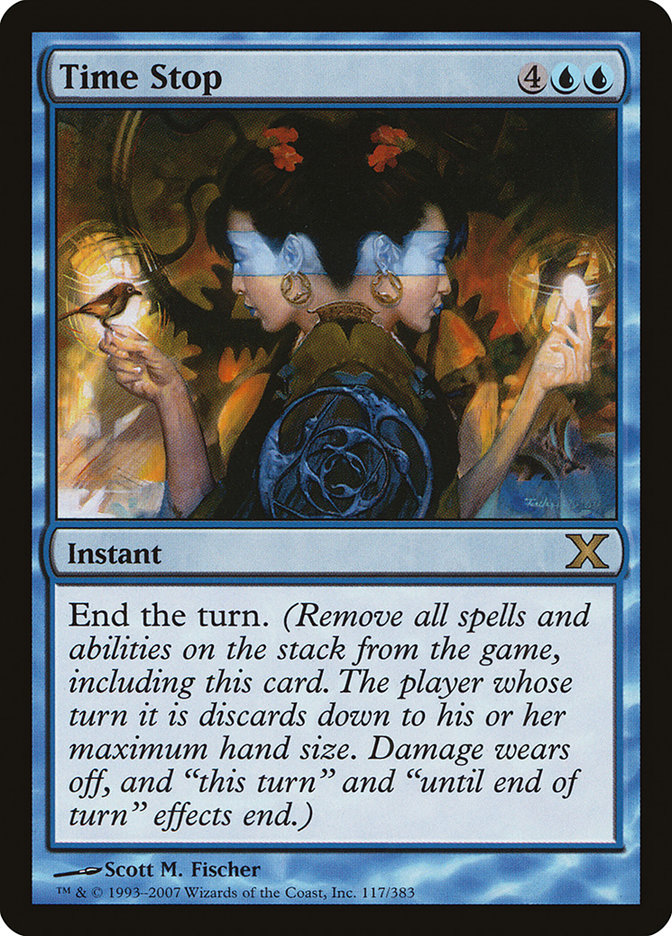
The vast majority of players who build and play decks that utilize these strategies are well aware that their plan is to prevent the opponent from playing the game, and that what they are trying to do is quite unpopular with Magic players overall. They know most of their opponents will not enjoy the game, and they’re fine with that, because they are “not responsible for the opponent’s fun.”
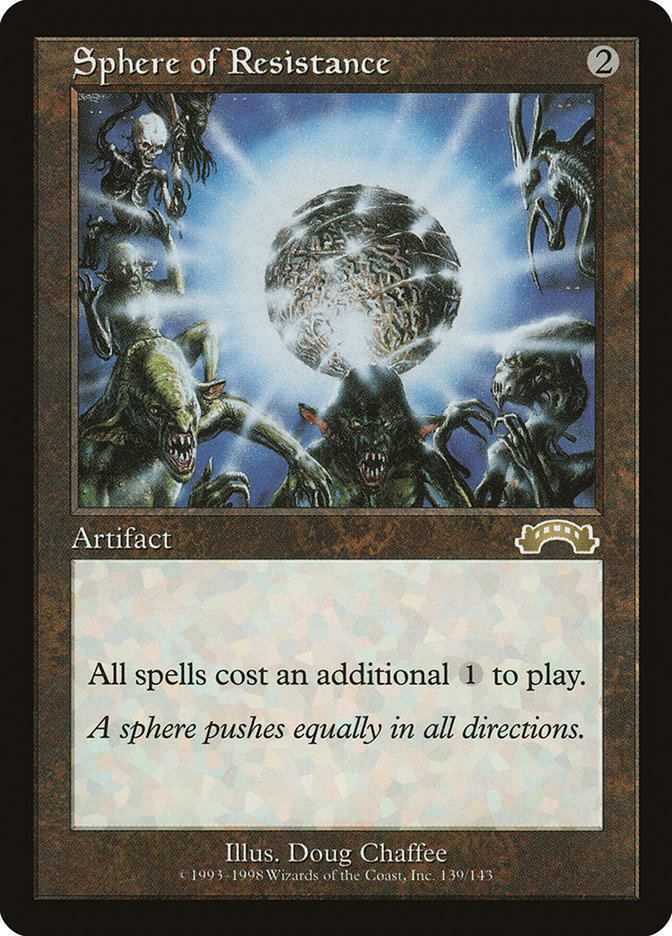
This can also beget arguments that playing unpopular strategies is not against the rules, and they have the right to play whatever deck they find fun. All true.
(Here’s another “but”…)
But…
If you’ve chosen a deck that most players will find a miserable slog to play against, that reflects on you and how you choose to engage with the game. How you choose to play Magic affects, in a way almost no other games allow, how your opponent can then engage with that same game. In all but tournament or highly competitive matches, all players having a good time is (or at least should be) desirable. While you aren’t responsible for most of what your opponent does, what you choose to play does bear some responsibility on how the game plays out.
Obviously if your opponent doesn’t draw the right cards, or makes mistakes playing the ones they do, or just has a weaker deck or one that matches up poorly against yours, that’s on them – or just down to rotten luck. Bad matchups are inevitable, but both players having an opportunity to try and execute their deck’s gameplan goes a long way to making the match tolerable for the loser.
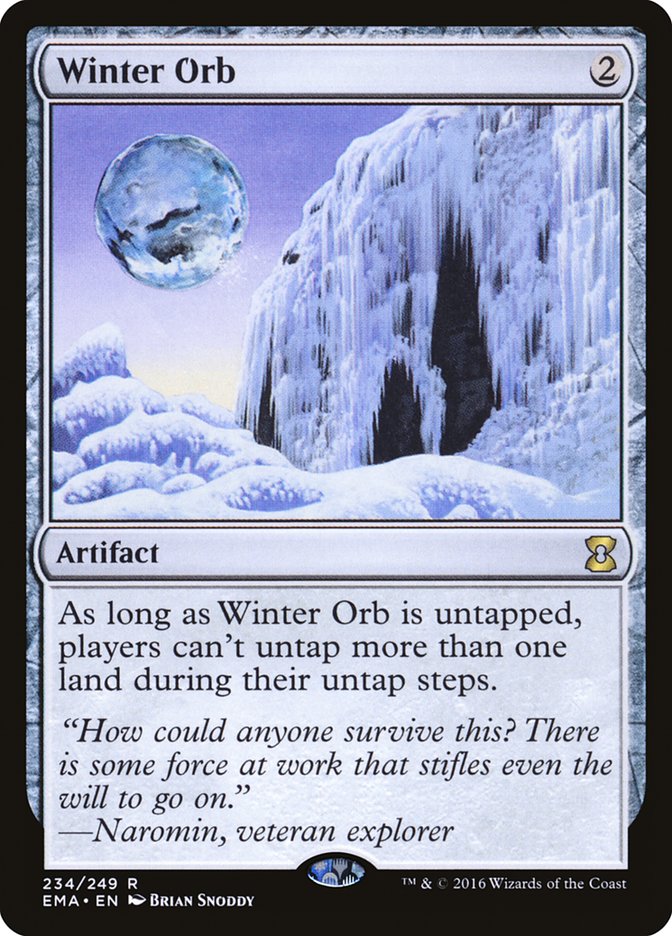
Playing a Stax deck built around Winter Orb – where your opponent untaps one land a turn but you get to untap all of yours – is almost sure to lead to a bad experience for the opponent. And they’ll surely hate your deck. But if you believe there should be no hard feelings – “hate the deck, not the player” – you are advocating for the notion that you are not responsible for intentionally choosing a deck designed to ruin the average opponent’s experience. You know that if your deck works properly, your opponent will be left unable to do much of anything. You know they are highly unlikely to enjoy the game. You know you are utilizing a strategy most players have zero interest in facing outside of ultra-competitive settings. It’s a “feels-bad” strategy to the very core.
You are, of course, perfectly within your rights – and the rules of the game – to play decks that utilize strategies that nearly always ruin someone else’s experience. But don’t be surprised if your opponent hates the deck…AND YOU…for choosing to play it.
 Casual Magicking