Fall Back

September 23, 2020

contingency – noun : a provision for an unforeseen event or circumstance

Every fall my wife, son, and I drive about 3 hours into the mountains to spend a weekend in a cabin in the miniature town of Twin Lakes, Colorado. My wife calls Twin Lakes her “happy place.” It’s fairly quiet (excepting the number of daytime visitors who pass through to visit Independence Pass 30 minutes down the road, or Aspen and the Maroon Bells further on.) It’s very dark at night, which allows my wife a rare opportunity to engage in some astro-photography. It’s stupidly beautiful – mountains all around, with copious aspens groves in various stages of color transformation from green to yellow, orange, even fiery red.

Across the street from the cabin

We take the dogs down to the shore of one of the lakes, hike to a long-abandoned hotel, eat comfort food that can be easily made in the cabin’s kitchen, play games as a family. After a long-planned and uber-anticipated summer vacation was necessarily scrubbed, this mini trip felt almost essential. I’ve been spending far, far too much time doom-scrolling my evenings away, fretting about what the country my son is growing up in will look like in 2021.

Returning to this now-familiar cabin, if just for a few nights, would hopefully ease my threadbare nerves and anxious mind.

And I hoped it would give me a chance to play some Magic.

My son, who turned 13 this year, is still obsessed with Fortnite. How this game has continued to keep its claws so firmly embedded in his daily life and patterns is flabbergasting, and almost criminal. We drag him away from it for other things, but as soon as he has free time to do as he wishes, he’s planted in front of the Xbox. And he’s recently learned that Fortnite is a lot more fun to play when you yell at the game and at (with?) your teammates.

Three hours from home without his console to fill downtime, I figured Magic would be an ideal fallback for him. I banked on the allure of unopened packs providing a siren song he couldn’t resist.

Then the day before our mini-vacation he discovered Among Us.

If you aren’t familiar with Among Us…click the link. I was aware of the game in the abstract, but knew little about it. Upon our arrival at the cabin, it didn’t take long for the child to con me into installing the app on my iPad. After that…we played it. A lot. Props where deserved: running around a spaceship as a purple jelly bean with a pompadour, killing unsuspecting crewmates, is pretty damn addictive.

However…booster packs did get opened – quite a few, in fact.

First up were 8 packs of Jump Start, opened and paired into two decks each, leading to two epic (read as: adequate) match-ups…

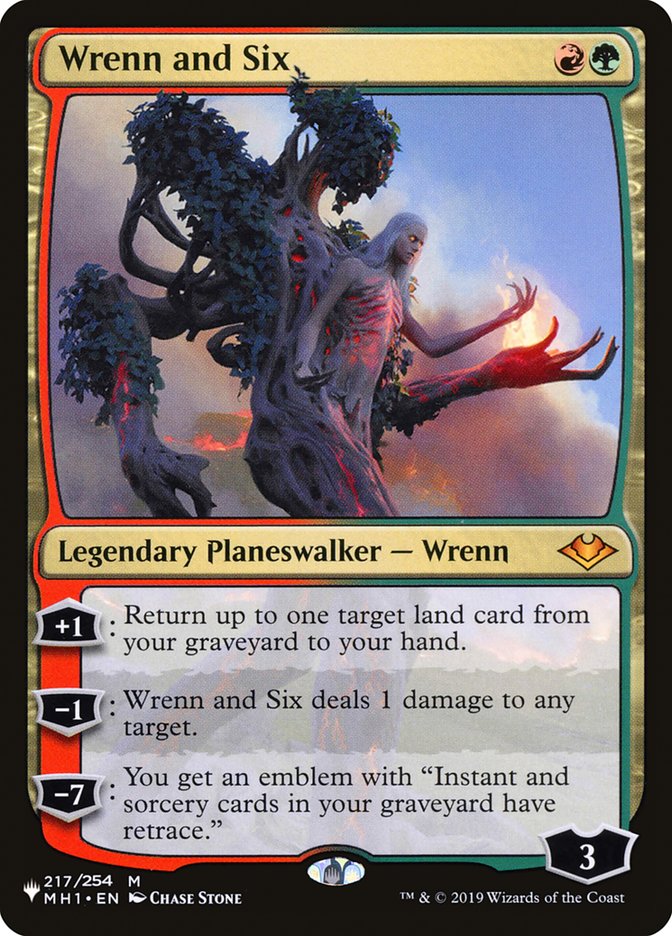
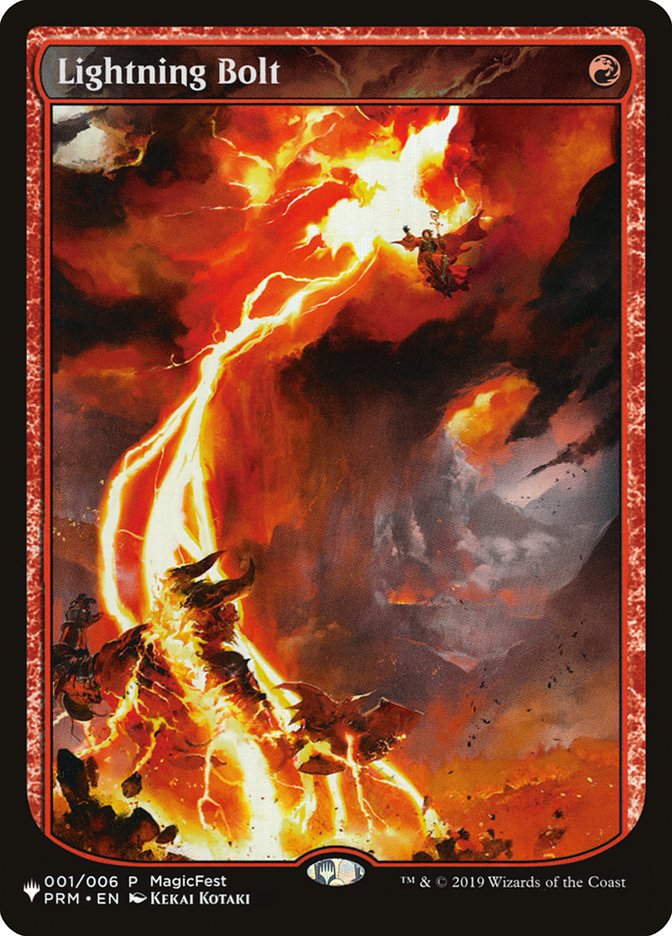
Spellcasting Minotaurs vs. Lightning Plus One

and

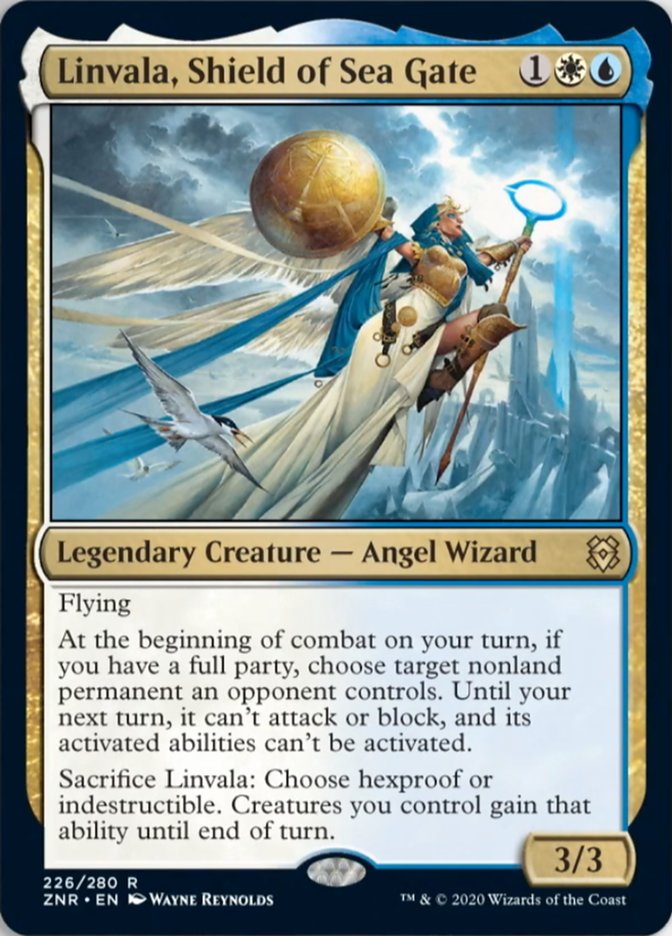
Reanimated Angels vs. Spooky Rainbow

Our games were all reasonably balanced and enjoyable, which is all I ever hoped for from Jump Start. Matching up odd themes and throwing them at each other is great casual fun, though if I’m being honest…opening Jump Start packs is strangely unsatisfying. The idea of the booster as a fistful of random cards is so ingrained in me that opening a Jump Start pack feels like opening a 1-card booster, and seeing a duplicate theme is so incredibly deflating.

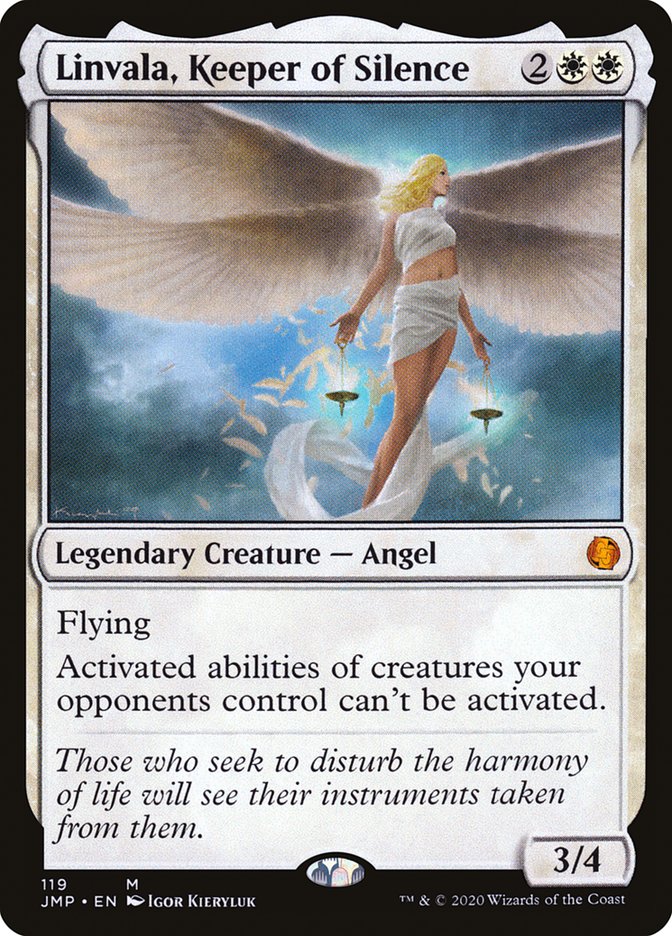
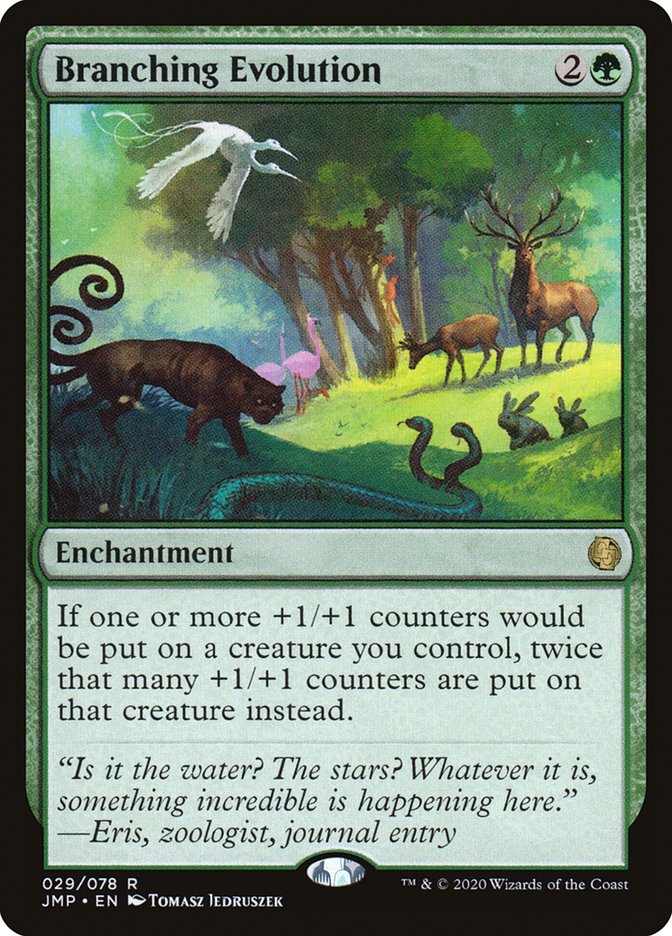
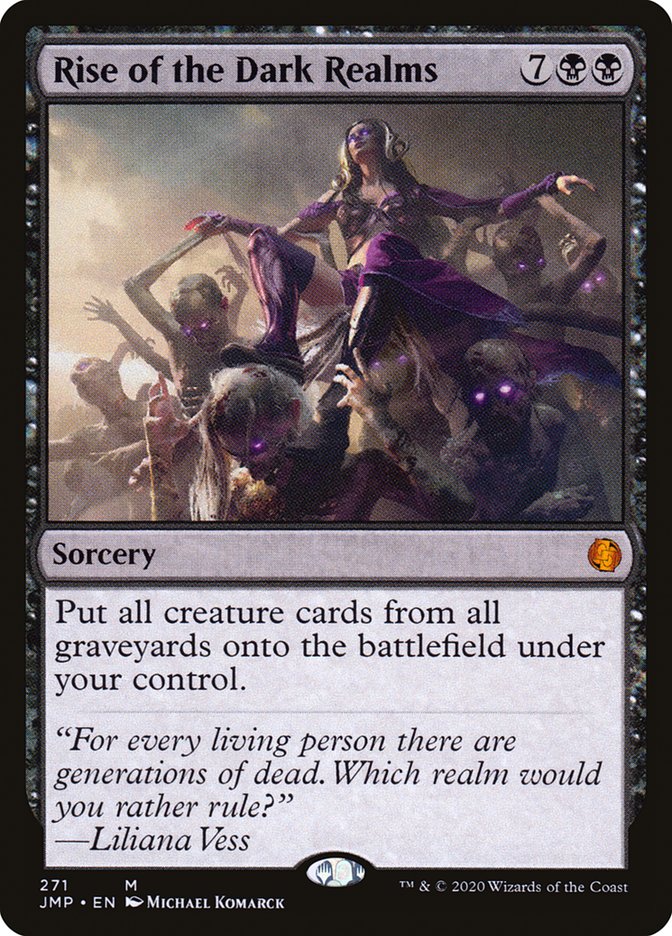
There’s admittedly a smidgen of mystery as you tear away your theme’s cellophane and see which variation you’ve been blessed (or cursed) with. We did rather poorly in that regard, getting the $1 (if we’re being generous) Rishkar, Peema Renegade in our Plus One booster instead of nabbing the $27 Branching Evolution version of the theme; not getting the Rise of the Dark Realms version of Reanimated; and opening the decent Baneslayer Angel in the Angels pack instead of the bombastic (and nearly $20) Linvala, Keeper of Silence.
We did get a mythic-level theme (sadly, Rainbow, the worst one) and 3 rare themes, however, so I probably shouldn’t grouse. Compared to the 8 loose Jump Start packs I found at Target awhile back, which contained 3 copies of the Minions theme, 2 copies of Archaeology, and just one rare theme (Cats), this was a treasure trove of goodness.

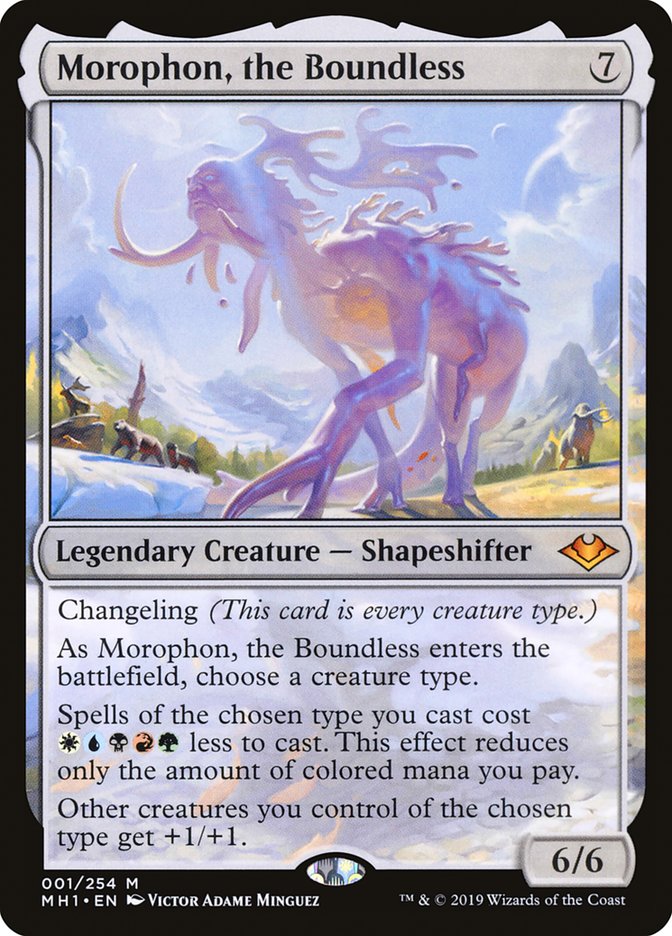
The 12 packs of Modern Horizons I also brought to the mountains were the more bountiful harvest. I don’t play Modern, and don’t follow the format except in the most cursory way, but FOMO got the best of me when Amazon featured a booster box of MH1 as a “deal of the day” awhile back. Several of our packs were generous, bestowing us with three mythics: Seasoned Pyromancer ($32), Yawgmoth, Thran Physician ($17), and Morophon, the Boundless ($13.50). Beyond that, we admittedly got a number of low-end bobos: Future Sight, Marit Lage’s Slumber, Scrapyard Recombiner, and Deep Forest Hermit (squirrels!) were pretty disheartening pulls.
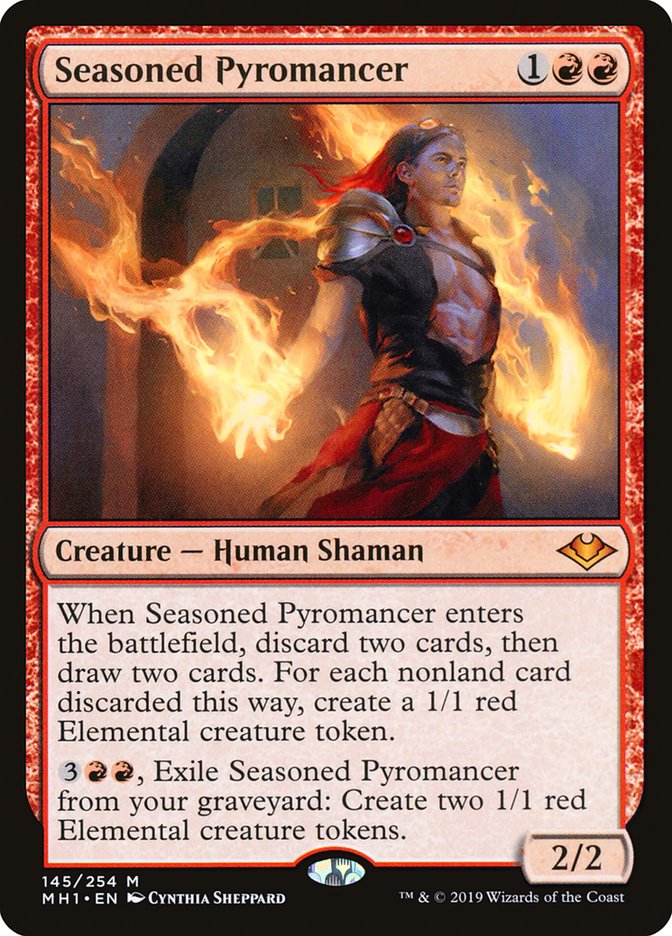
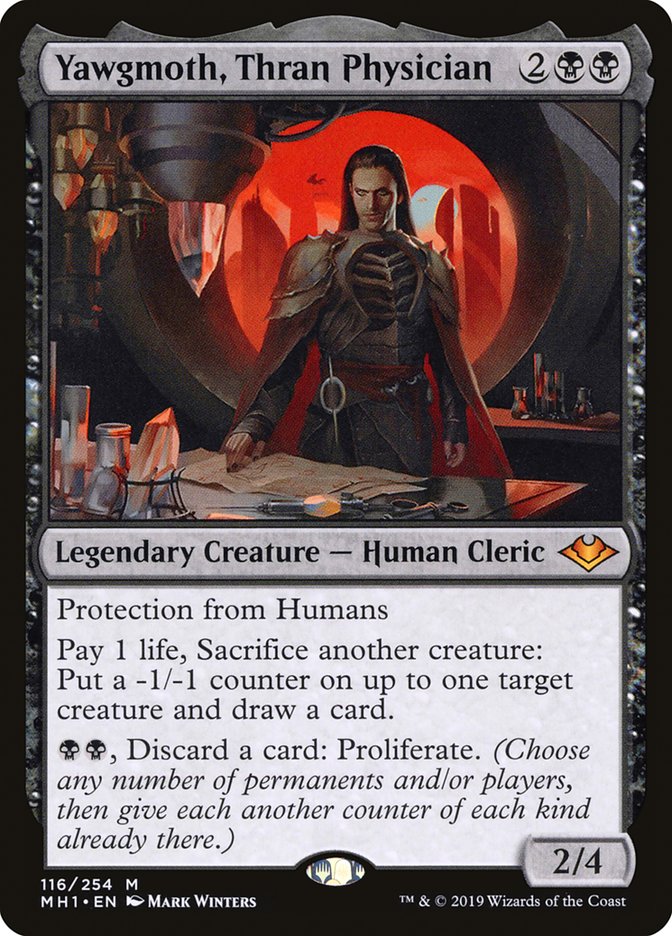
We both built blue/black decks, but the kid’s deck sparked with synergy I couldn’t match, and he steamrolled me twice. In a rare occurrence, most likely brought on by my son losing phone and video game privileges for several days after our trip, we pulled our MH1 cards out again last night for a rematch. I ditched the blue for red in order to add some aggression I was convinced would help me best the kid’s synergy. It didn’t: our games all ground to a sludgy snailtrail. But I still won 2 of 3.

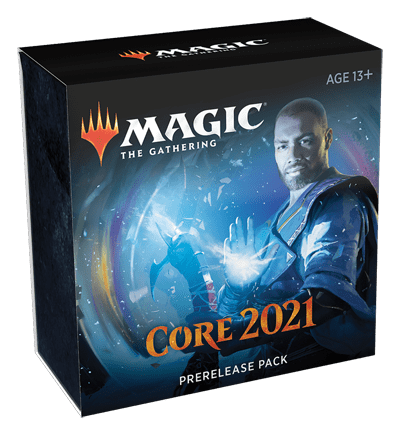
And on top of all that, as we drove back to the ‘burbs on Monday morning, we swung by our LGS and picked up the Zendikar Rising prerelease packs I’d preordered, which we battled with later that night (more on this and ZNR in general next time.)

Whereas I used to relish opening packs and would blow through entire booster boxes the day I bought them, in recent years I’ve become…tentative about the experience. That’s also a topic for another time, but opening 19 packs over the span of a few days, and then actually playing paper Magic several days in a row, brought back waves of nostalgia. The kid will get his phone and Xbox back tomorrow, and will likely disappear back inside Fortnite and Among Us for the foreseeable future. But for a few days he had a genuine interest in opening, looking at, playing with, and talking about Magic cards. He even asked to log into Arena for the first time in probably 6 months in order to redeem codes for free ZNR packs.

Those are the kind of moments you learn to relish as a father. The last few days have been the first, and will possibly be the last, fleeting stretch of Magic bonding this year. Sure, packs had been opened and games played in previous months. But escaping the daily crush of this abysmal year, and playing Magic in the shadows of the mountains, was the salve my soul desperately needed.

Sometimes when this place gets kind of empty
Sound of their breath fades with the light
I think about the loveless fascination
Under the Milky Way tonight
Up-Setting the Paradigm

September 16, 2020

dismantle – verb : take (a machine or structure) to pieces

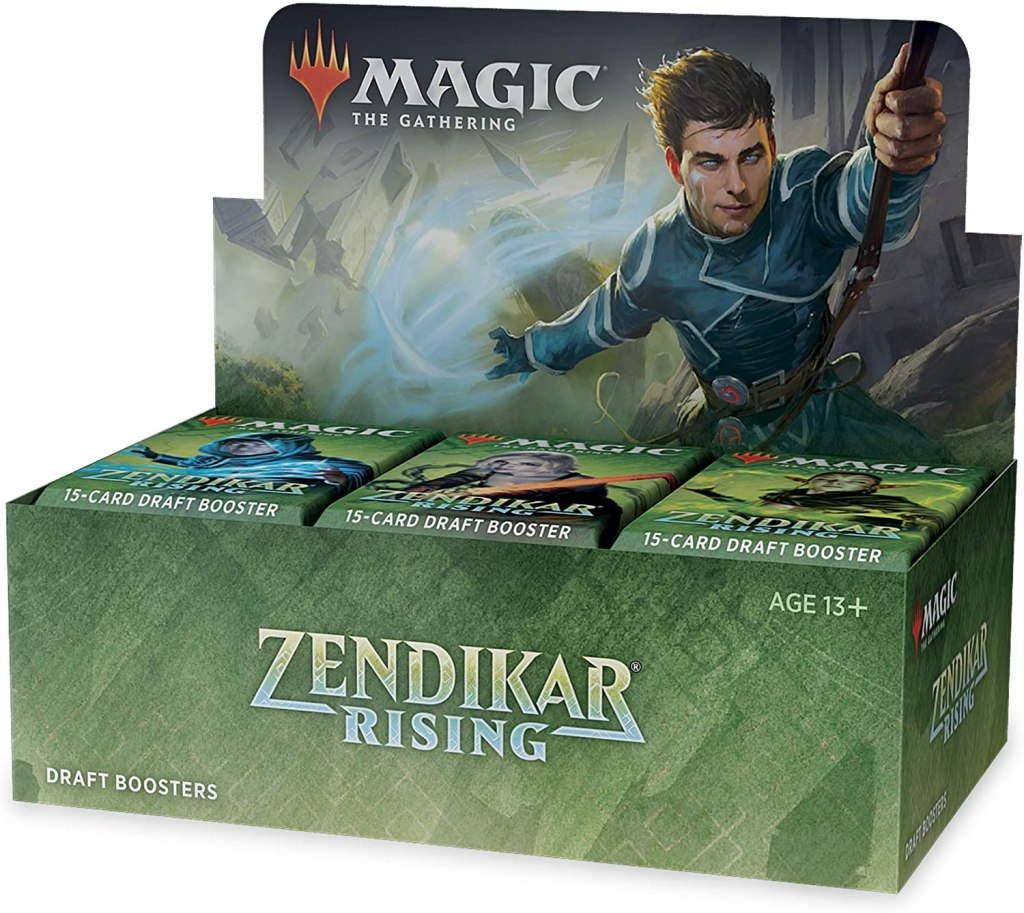
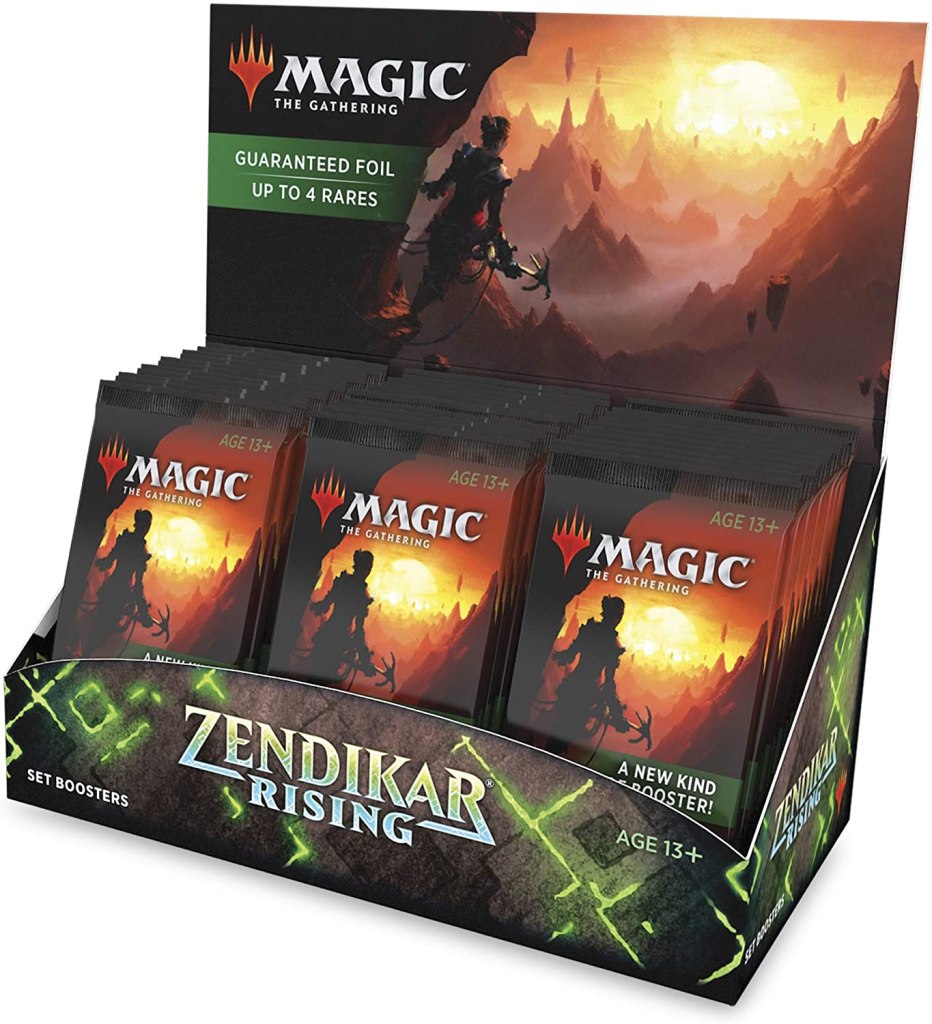
My favorite Magic content creator, Seth at Mountain Man Magic, released a video recently wherein he attempts to answer the question “should you buy Zendikar Rising set boosters?”

It’s a good video, and I unreservedly recommend watching it. He’s probably got the most reasonable take I’ve seen on the new set booster product. I’m now going to give you my own, far more unreasonable, take on set boosters:

They’re awesome! Best Magic product since the creation of 15-card boosters! Draft boosters are so 2019! Embrace change!

Thank you. Until next time…


Of course I have more to say.

Yes, I’m aware that no one (well, very, very few people) have yet opened a set booster. A few weeks ago Gavin Verhey of WotC opened two of them as part of his Good Morning Magic YouTube channel. The comments I saw about his video were largely negative, with the most common response appearing to be a variation of the following: “that was a lot of chaff for a product that’s supposed to be an alternative to getting so much chaff in draft boosters.”

Let’s first establish that “chaff”, as internet-active Magic players seem to describe it, is virtually any common, almost all uncommons, and most rares/mythics in a set. The number of “money” cards in any recently-released set is going to be minimal, with the rest being useful only in draft or jank (and sometimes not useful in any capacity.) I believe most people discussing Magic on the internet would also maintain that foil, showcase, or alternate-art versions of what they consider chaff to still be chaff.

Based on that, I’d argue that every random booster product WotC releases is packed with chaff. In the case of Collector Boosters, much of that chaff is foil or alternate art chaff, but still – chaff nonetheless.

The most recent Masters set, Double Masters, was released in VIP form for $100 a pack. And it’s still stuffed with chaff: 8 foil uncommons, 9 foil commons, 2 foil full-art lands, and 10 non-foil full-art lands. With a few rare (pun somewhat intended) exceptions, most of those cards are going to be widely perceived as chaff.

So the argument about set boosters containing “a lot of chaff”, while certainly true, doesn’t feel like a convincing argument against the product. All of Magic’s booster products are brimming with chaff.

People reacting to the Good Morning Magic set booster opening also railed at so much “draft chaff” being found in boosters not meant to be drafted. Again…true, but not much of an argument against the product. Only WotC has the data, but they recently stated that over half of all draft boosters are not used for any limited purpose (draft, sealed, 2HG, etc.) Those packs are simply opened and the cards are absorbed into a player’s collection. So huge numbers of players are already inundated with draft chaff in boosters they don’t use for drafting or any other limited format. Therefore, a non-draftable booster that reduces (but doesn’t eliminate) draft chaff seems perfectly reasonable.

If even $20-25 collector boosters are full of chaff and remain quite popular, then a $5-6 set booster with chaff is not problematic. The only way to remove chaff from boosters would be to release a non-draftable Masters set containing nothing but “money” cards. Can you imagine the price of a pack containing nothing but a random assortment of 12-15 valuable cards? And can you imagine the inevitable hoarding and markups that would come with such a release?

Despise it if you must, but random boosters are going to contain commons and uncommons, most of which have little or no financial value, even as foils, showcase cards, or alternate-art versions.

I believe it’s also important to remember several known qualities of the (possibly vast) majority of casual Magic players:

  1. They don’t buy singles. Foils, showcase cards, alternate-art cards – all of these can be very appealing to players who build their collections only by opening the occasional pack. Speaking of which…
  2. They enjoy opening packs “just for fun.” The internet hivemind tends to mock this behavior as pointless and financially wasteful, but millions of players all over the world seem happy to crack packs at the kitchen table and play with what’s inside.
  3. Financial value isn’t the leading factor in their behavior, if it’s even a factor at all. If a player opens a pack with a 50-cent rare, and they love the card and put it into a deck they’re playing, they’re going to be happy with the overall booster experience. They may even find homes for some of the draft chaff in their kitchen table decks. These players don’t likely know the financial value of the cards they’re opening, and they don’t care. Mock that if you must, but that doesn’t (and won’t) change the behavior.
  4. Foil curling hasn’t significantly altered how they feel about or how they value foil cards. Foils are still highly sought and enjoyed.

People have already been trying to generate EV (expected value) of set booster boxes (30 packs) compared to boxes of draft boosters (36 packs) to determine which box to buy. Which is fine if you place no value on the EXPERIENCE of opening a booster pack. I think this point is critical:

Set boosters have a very real chance of enhancing the value of the booster pack opening experience

Naturally, people have mocked WotC’s attempts to label the various sections of the set booster (Welcome, Fireworks, Big Finish, Epilogue.) Which is fine – most players won’t know which cards belong in which section as they go through their set boosters. And not everyone that places a value on the booster-opening experience will feel set boosters are worth the ~$1 price increase over a draft booster. Some players will see no value in art cards, or won’t care a whit about the set of commons and uncommons in each pack that are thematically linked. And the “foils are cardboard Pringles!” crowd will see no value in a guaranteed foil in every pack.

But I reckon I speak for a pretty large segment of the casual playerbase when I say set boosters look far more interesting than draft boosters to just open up and look through. Will there still be draft chaff in these non-draftable packs? Of course – that’ll be true of any pack I open “just for fun.” But I will get LESS of that chaff than draft boosters, with chances at increased numbers of uncommons compared to commons, and/or opening 2 or more rares. And while I don’t seek out or collect foils, I do really enjoy getting them in packs and adding them to my collection. A guaranteed foil per pack is a nice perk.

If over half of all draft boosters are just opened “for fun”, then designing a reasonably-costed pack (i.e. one that costs a lot less than a collector booster) that caters to the pack-cracking experience makes a plethora of sense. That said:

  • If you’re against opening packs for any reason other than limited, then of course it’s a pointless product for you.
  • If you place no value in the experience of opening a booster, then of course it’s a pointless product for you.
  • If you feel the contents of a set booster don’t justify the increased cost over a draft booster, then of course it’s a pointless product for you.
  • If you believe Magic cards should only be obtained by buying singles of the specific ones you want, then of course it’s a pointless product for you (in this case, all boosters are – except that someone has to open packs to get most of those singles you want to buy.)

I don’t need to know if the financial value of the average set booster box’s contents offset the difference in price compared to a draft booster box. Both boxes, if just opened for spits and wiggles, will bestow upon you lots of chaff/jank/useless cards. But set boosters seek to provide a different, and more interesting, opening experience. Until we’ve had a chance to try it out it’s difficult to know how much value to place on that experience, but I’m prepared to predict it’ll be worth the increased financial cost for a great many players. And I haven’t even touched on the potential play, financial, or nostalgia value of cards from “The List” that will be found in 25% of set boosters.

When collector boosters were announced there were a lot of predictions that they were a lame cash-grab gimmick that wouldn’t last. Now there’s a whole subset of players that feel the only packs that contain anything of value are collector boosters. Set boosters look poised to become the default way huge numbers of players crack packs, and I predict they are here for the indefinite future.

With the exception of in-person prereleases at some nebulous point in the future, I’m not sure I’ll ever want to open another draft pack of a new set.

Long live set boosters!

Zendikari Trapidations

September 4, 2020

quesy – adjective : feeling nausea; feeling about to vomit

Full and fair disclosure: I came up with the article title before I knew the Trap mechanic wasn’t returning for Zendikar Rising. D’oh!


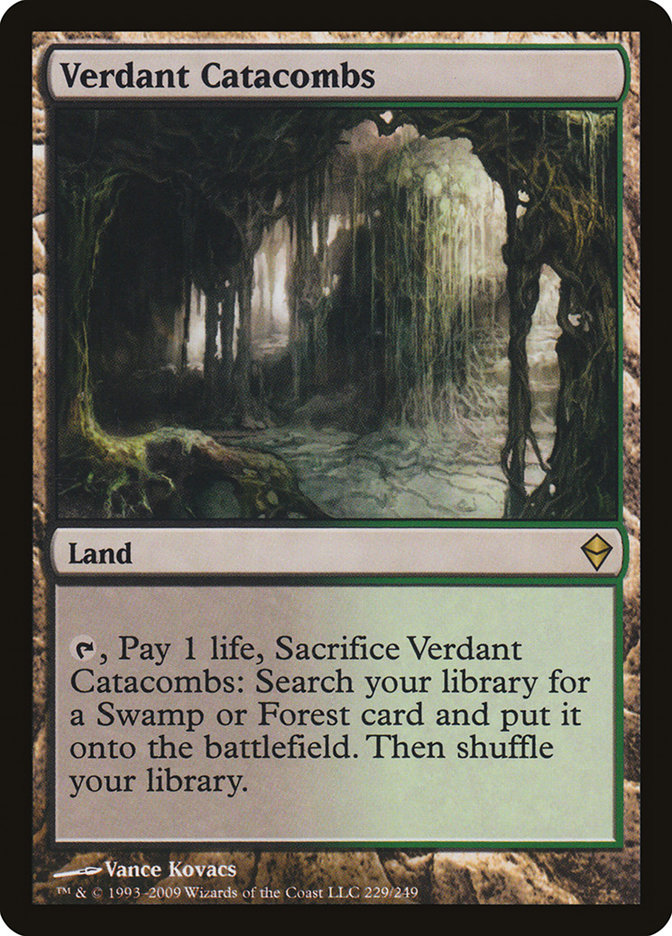
I missed the original Zendikar set when it was released in the fall of 2009. Much to my eventual chagrin, it turned out to be the first set to drop during my extended hiatus that started around the summer of 2009. I did buy at least a fat pack of it, because I have a Zendikar box floating around with all the other fat pack/bundle boxes I’ve accumulated over the years. And that fat pack netted me a Verdant Catacombs (one of the coveted fetchlands, and a $67 card as of this typing) since I own one and there’s no way in hell I bought it as a single.

Even the King of Bobo Rares finds a jewel on occasion

Zendikar, like the original Innistrad, is an adored set that Wizards of the Coast “did dirty” upon returning to the plane some years later. I missed Battle for Zendikar as well, though in 2017 I happily snapped up a booster box of it when I saw it crazy cheap.

I learned later just why it was so cheap.

Hindsight being what it is, I wish I’d bought scads more OG Zendikar before taking my Magic hiatus, and bought heaps less Battle for Zendikar when I returned. Most of my BFZ packs are still unopened, so perhaps I’ll find some not-lame use for them in the far-flung future.

All of this brings to me Zendikar Rising – which will be my first real experience with the plane. About 2/3 of the set has been previewed as of now, and I’m…underwhelmed. Add to that the upcoming Standard rotation, and it’s going to be a rocky few months for my Magic fandom.

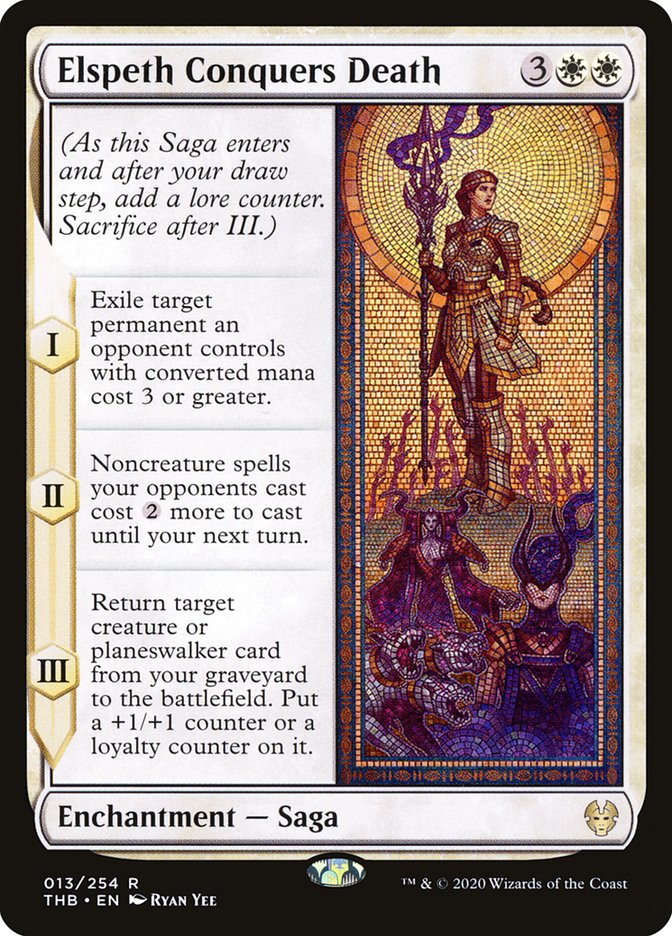
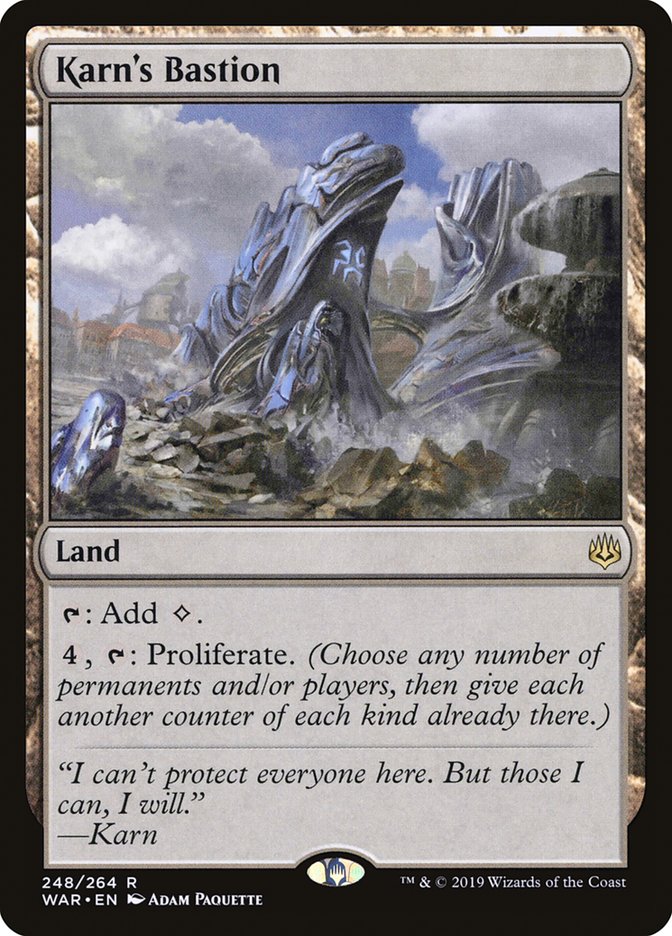
Starting with rotation: for the first time in my Magic life, I have a “pet deck” that I’ve grown to love and play extensively – Mardoom. Rotation is going to gut it. The deck, as it is currently fashioned, won’t function without these beauts:

While I may be able to continue using the deck in Arena’s Historic queue, I’ve seen no evidence that Historic is at all friendly to low-powered jank. And honestly – Historic is largely filled with dozens of cards I’d prefer not to see…well…ever again. Or cards like Thoughtseize that I’ve (happily) never encountered. People rail against Standard because it’s a rotating format, but I’m one of the people that sees it as a feature. I don’t want to play ever faster or increasingly-broken formats that degenerate as they grow.

As terrifying as it is to lose what I may someday think of as my “perfect deck”, I can’t adequately describe how much I’m looking forward to Standard rotation chucking out SO. MANY. CARDS. Obnoxious cards. Overpowered cards. Overplayed cards. Good riddance to the lot of them!

On to ZKR: since restarting my Magic journey three years ago, Zendikar Rising is the first new set release that hasn’t massively excited me as spoilers spill forth onto the internet. Truly there are cards that look fun or powerful, but none have struck me as both (based on my likely-limited sense of what makes Magic awesome, mind you.) I’ve yet to have a single new card grab me by the throat and demand to be tinkered with. Surely there are build-arounds in the set, but they have yet to spark my sense of curiosity. The closest anything has come to evoking adoration in my currently-stony heart are these:

The new Party mechanic looks like a potentially neat puzzle for limited, but I’m not yet convinced it’s something I want to engage with in constructed. No qualms about the flavor – it oozes it, especially with the D&D-themed set due next summer. I’m just not yet intrigued by what I’ve seen so far. It looks to be well supported, though, so I’ll try to remain emotionally open to trying it out.

Rotation is indubitably meant to be a huge change in the Magic landscape. At rotation time last year I was coming off a period of months that saw me pinballing through deck after deck, learning to find joy in the new and unknown.

This year I’ve kept a steady hand (except when the Arena shuffler nails me with a rabbit punch) and wallowed in consistency. With ZKR not flipping on any light switches in my soul, I’m anxious about what my Magic experience will look like in a month. That said, I have a box of the new set boosters on preorder, and I may, for the first time in perhaps 15 years, just crack a stack of packs for spits and wiggles.


Next time: Jump Start, perhaps? I asked the kid when he’d be up for breaking open the Jump Start booster box that finally came a few days ago (three months after preordering), and all I got was “…soon?”

Restraint / Constraint

August 27, 2020

prudence – noun : 1 : the ability to govern and discipline oneself by the use of reason. 2 : sagacity or shrewdness in the management of affairs. 3 : skill and good judgment in the use of resources. 4 : caution or circumspection as to danger or risk

Suppose you went to your LGS and sat down next to a Random Magic Player. You ask if they are up for a few quick games, and they agree. You immediately stomp their Planeswalker deck with your tier 1 tournament deck. You’d feel bad. I hope.

You might also apologize for the discrepancy in power levels between your respective decks, and offer to play something weaker (assuming you had such a deck with you – barring that, you might offer to let the other player try out one of your optimized decks.)

Random Magic Player might feel awful about that first game, but you’d have the ability to try and mitigate that by offering up advice, some kind words, or a fairer match-up. Looking an unknown opponent in the eye can ease all sorts of awkwardness. Assuming one or both players aren’t socially awkward to begin with.

On the other hand, you could just shuffle up and pound on them again, or change seats and look for another opponent.

It’s a random Tuesday night, nothing is on the line, you’re just looking for some pick-up games…what should you be expected to bring to this experience?

Do you owe Random Magic Player anything?

I’ll argue: respectful play, for starters. If you’re facing a friend then some good-natured trash talk or gloating might be fine or even expected. Outside of that, treating the opponent with dignity and respect should be a bare minimum. Within the realm of “respectful play” I’d also include respect for the rules of the game (i.e. don’t be a cheating scumbag.)

But what about deck strength or strategy? Now things get squidgy. If it’s EDH night, then players will likely try to group up based on self-ascribed deck power levels. But if you’re packing a cEDH deck you play masterfully, and everyone else is sporting slightly upgraded precons, what then? Do you owe it to the others to downgrade your deck or pull punches while playing? Or do the others owe it to you to elevate their deck construction and play ability? Or is this a situation only solved by the outsider(s) finding somewhere else to play?

Now imagine Friday Night Magic, with small prizes on the line. If you bring the best deck in the format, and everyone else hates playing against it and can’t find a way to beat it…does that matter?

Context obviously matters, and personal preferences will assuredly color how you feel about all of this.

I play most of my Magic in the “Play” queue on Arena, and I’ve thought a lot about what, if anything, I owe my opponents there. My personal feelings on the matter are thus:

  1. Play respectfully. Arena handles the rules so there’s no cheating, so this point encompasses emotes, roping, and showboating. I rarely use emotes, and never in any way that might be construed as snarky or rude. Roping or intentional slow play is right out, regardless of how the opponent might be behaving. And finally, if I have the win or what appears to be a lethal play, I take it (within reason – no sending 15 creatures into an opponent with the mana available to play Settle the Wreckage.) No toying with a seemingly-helpless opponent, no making unnecessary plays in order to show off my deck or what cards I still had in hand at the end.
  2. Don’t play cards or entire strategies I despise playing against. Superfriends decks, of any caliber, annoy the snot out of me. Thus I neither build nor play such decks. Mono red aggro crushes me so regularly that I often auto-concede to such decks. Making one myself is out of the question. Cards that cause me involuntary eye rolls, whether due to being overpowered or overplayed (such as Hydroid Krasis or Ajani’s Pridemate) are off limits (except perhaps as one-ofs in Brawl decks.)
  3. No playing cards or strategies that I recognize as being excessively played or irritatingly frustrating. I’ve seen very few people claim to enjoy playing against heavy control decks. Thus I keep control elements of my decks to what feels like a moderate level. Everyone seems tired of playing ramp decks in the current Standard environment, so I keep ramp to a minimum. The one card I play that I know annoys a certain percentage of the playerbase is Doom Foretold. But it’s part of a pseudo-jank enchantment deck that doesn’t pair it with powerful finisher Dance of the Manse and has other (often better) win conditions than Doom itself. And I don’t mind playing against another Doom Foretold deck. I almost always lose to them on the rare occasions I see them, because I’m playing a much weaker shell.
  4. Play off-meta. The game is so vast, the possible choices of what to play so numerous, that exploring the corners and crevices of Magic is just too fun not to embrace. Everyone is going to see plenty of tournament staples on a daily basis, so why not strive to increase the diversity: chase the obscure, or the chaotic, or the absurd, or the forgotten.

Ultimately, I follow my own Magic-specific variation of the golden rule: play the game as if I was my own opponent.

Particularly relevant flavor text for what I want out of Arena

I don’t expect others to follow this same rule, and I think few would, especially on Arena where you don’t have to look your opponent in the eye or speak to them after an ugly blowout win.

Arena has no chat (thankfully) and no way to customize matches (sadly) so I approach my games as if I’ll be matched up with someone much like me – someone of a similar mindset, looking for a fair(ish) match-up against a respectful opponent. Sometimes I get that, often I don’t. And my win percentage undoubtedly suffers substantially for my self-imposed limitations. But the way I see it…

It’s what I owe my opponents, and the game.

When the Curse Had a ‘Hold of Me

August 20, 2020

clutch – noun : a tight grasp or an act of grasping something

Is a curse static and resolute, clinging to your very being, until lifted through some heroic deed or sacrificial payment?

Or can it be ephemeral and fleeting, flitting off to dissipate in the wind, or perhaps to haunt another victim, for no clear reason?

I think the Curse of the Bobo Rare may be dissipating, or transitioning. But today I was reminded of it, when it was in its brutal infancy.


A few months ago I went looking for a few cards I could not locate. They weren’t in the appropriate set-specific binders I keep, and they weren’t in my piles of “extras” (cards I own more than 4 copies of.)

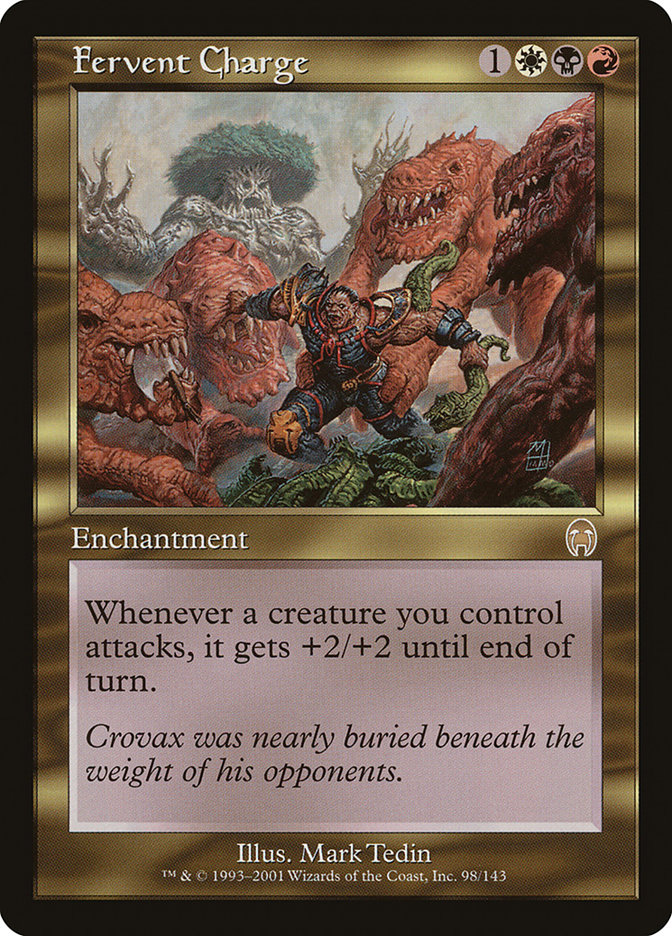
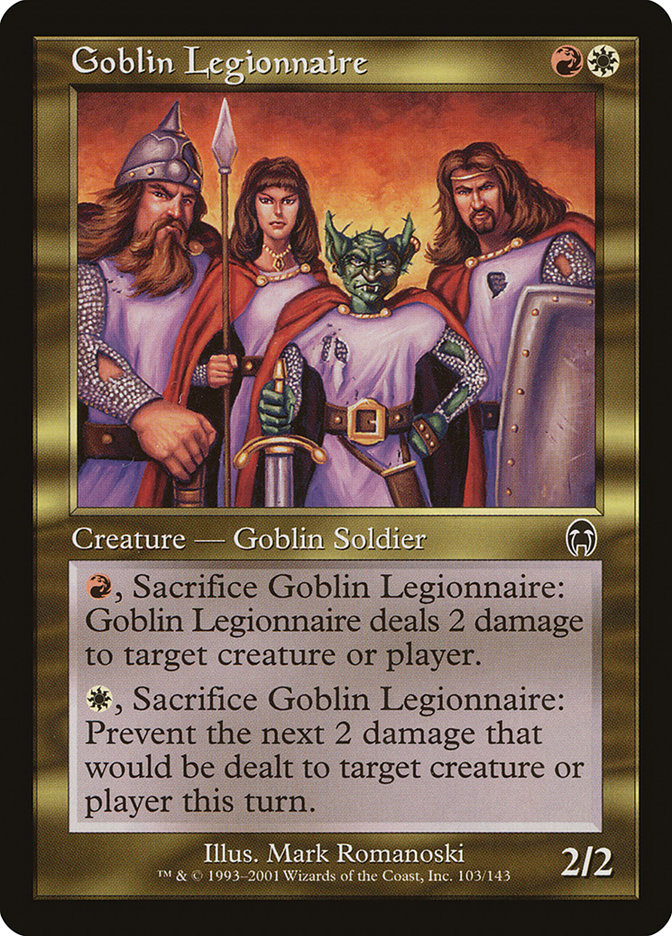
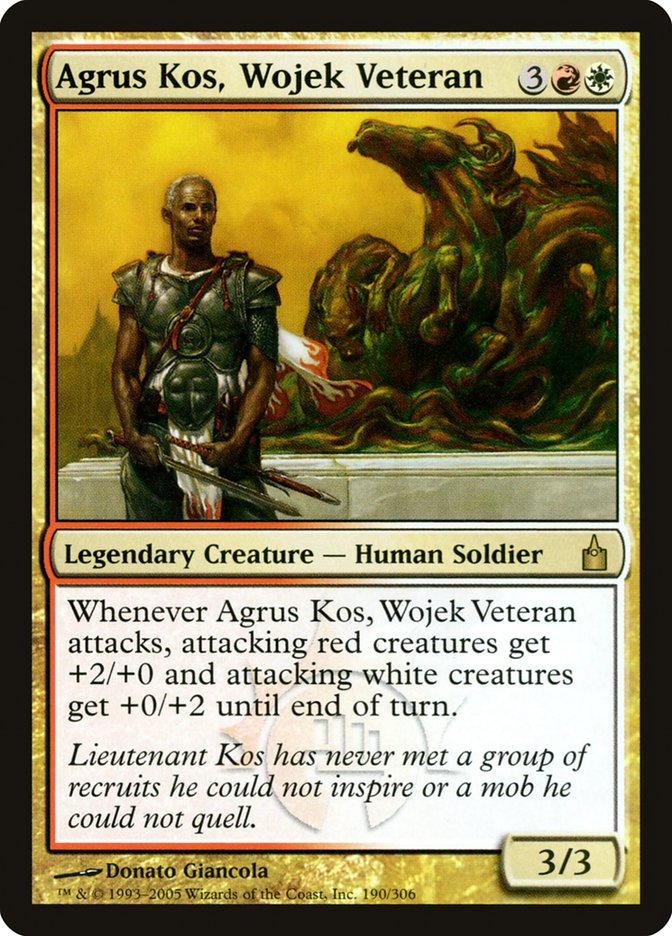
Perhaps they’d found their way into a deck, and I’d forgotten about their inclusion? Perusing every one of my decks, most of which haven’t seen the outside of deckbox in years, I started to flip through a particular favorite – my Fervent Charge deck. A Mardu-colored deck, built around an enchantment? I’d completely forgotten I’d ever made the thing, but it was so clearly ME. Packed with gold cards, full of myriad and flexible answers to prevent “that one thing” from wrecking me…it was Mardoom before I grew to love Mardoom.

And I was forlorn to discover a number of its cards, including crucial pieces, were badly bent. What I did to bend them has long since fled my mind, but it probably happened a decade ago. Had there been a shuffling mishap? Had I spilled the deck onto the floor and rolled over it with my desk chair? Had I carelessly crammed the cards into the deckbox in some needless hurry?

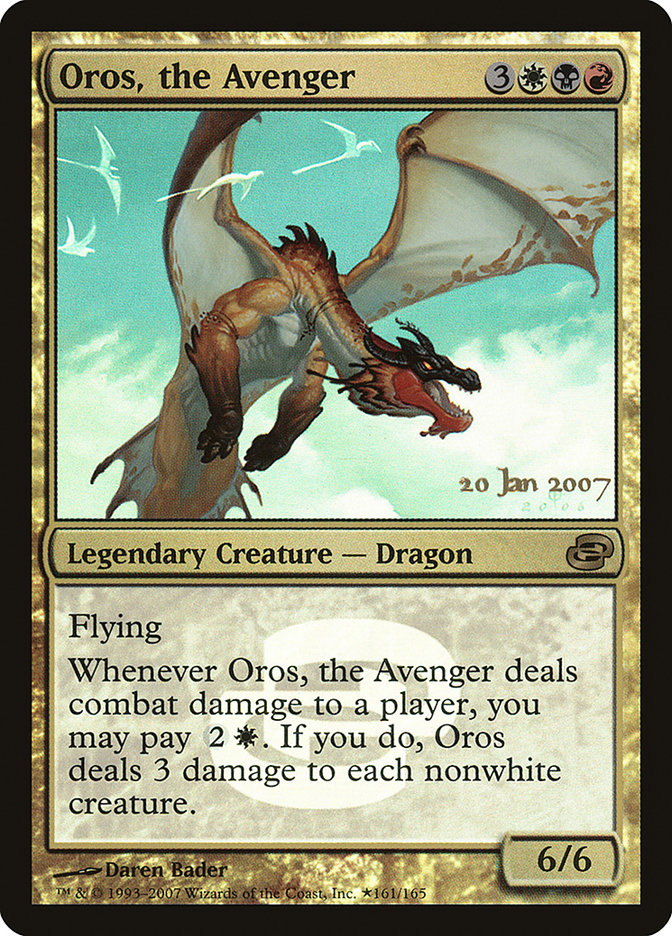
So of course I did the very logical thing – I ordered replacements for the damaged cards, even discovering that I could replace my copy of Oros, the Avenger with an alternate art foil from the Planar Chaos prerelease I’d missed all those years ago.

Oros never missed arm day at the gym

The cards arrived, I catalogued them in my card tracking software, and I then did the very illogical thing – I dismantled the deck and returned its contents to my set binders.

I did this for ALL of my decks, actually. It wasn’t even (that) difficult.

In my search for the misplaced cards, I not only never found them, but I uncovered discrepancies between my physical collection and what I had logged in the program I use to track my full collection. And that was NOT acceptable. Nor were the dozens of random piles of cards I’d opened but never catalogued since starting my “reboot” collection when I began this blog.

I’d had enough of the chaos. It was time to get my collection fully logged and audited, so that I knew what I actually owned and what was (apparently) lost to time or overly-iffy organizational skills. And eventually I could get my “reboot” card collection conglomerated into something akin to a cohesive unit.

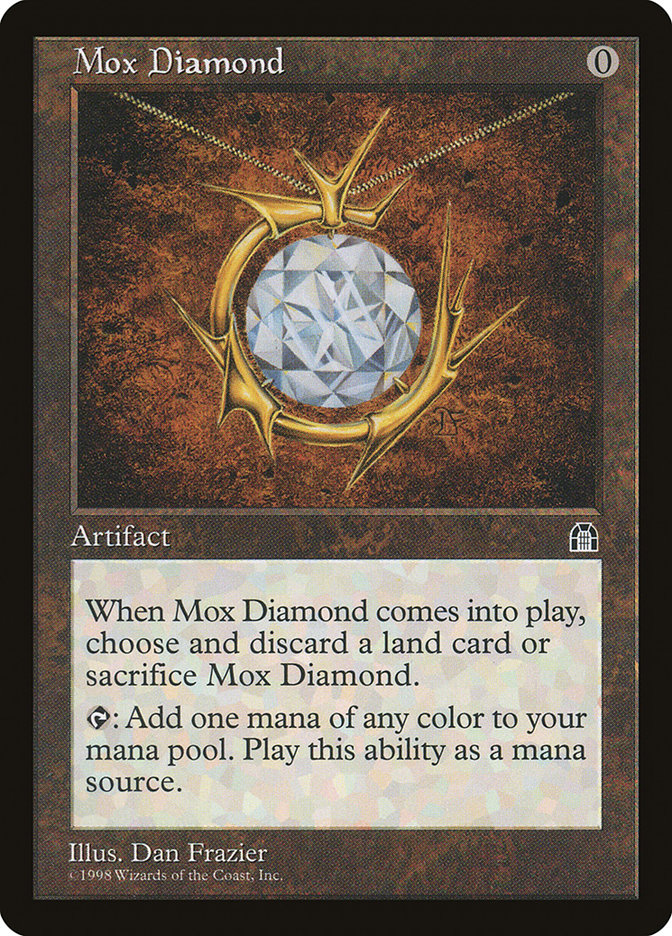
Though I have numerous cards from earlier sets, Alliances is the oldest set I have a full collection of (at least 1 of each card.) I started my collection review there, with the intention of moving forward in time to the present day. And today I completed my review of Stronghold. Thanks to a recent spike in the value of Mox Diamond (up over a hundred bucks for the week, to $575), a complete set of STH is currently valued at $1,112.40 – more than double its value when I last recorded it in my collection database in April of 2018.

This thing goes for about as much as a real diamond sized to the above image goes for

Mox Diamond was a desirable card the moment Stronghold was released, and I remember it being a card I chased for months. STH pack after STH pack, no Mox Diamond. At the time it was going for the stupidly outrageous sum of $20 on the secondary market, and there was zero chance of my outlaying that kind of cash for a single card – that would have been utter insanity.

I did finally open one, and though my memories from 20+ years ago are admittedly rather sketchy, I believe the pack with Mox Diamond was the last STH pack I ever bought (I was “done” with collecting the set at that point.)

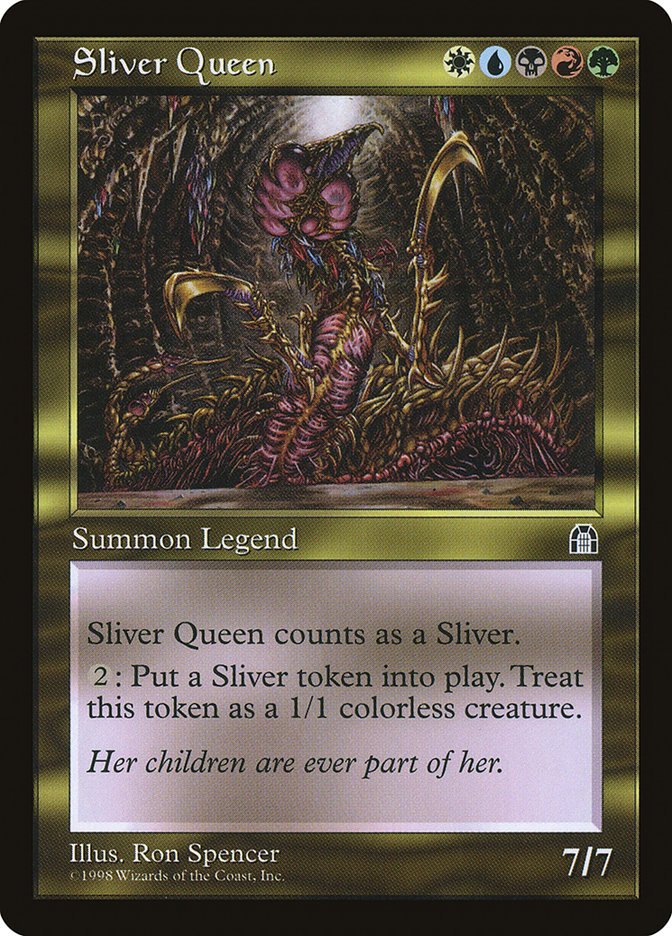
To this day I have just one copy of Mox Diamond, as well as a single copy of the other “big money” card from the set – Sliver Queen (going for $210 as of this writing.)

There really needs to be a plush made of this

All told, I have 105 rares from Stronghold. Meaning I should have (on average) 2.4 copies of every rare in the set. So of course I have just one copy of the two most valuable cards from the set.

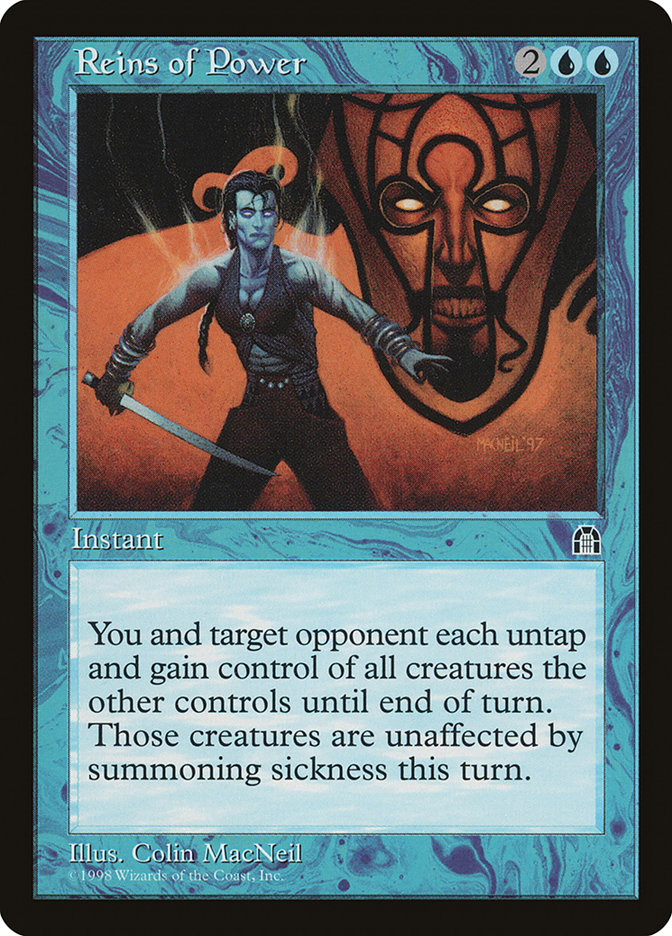
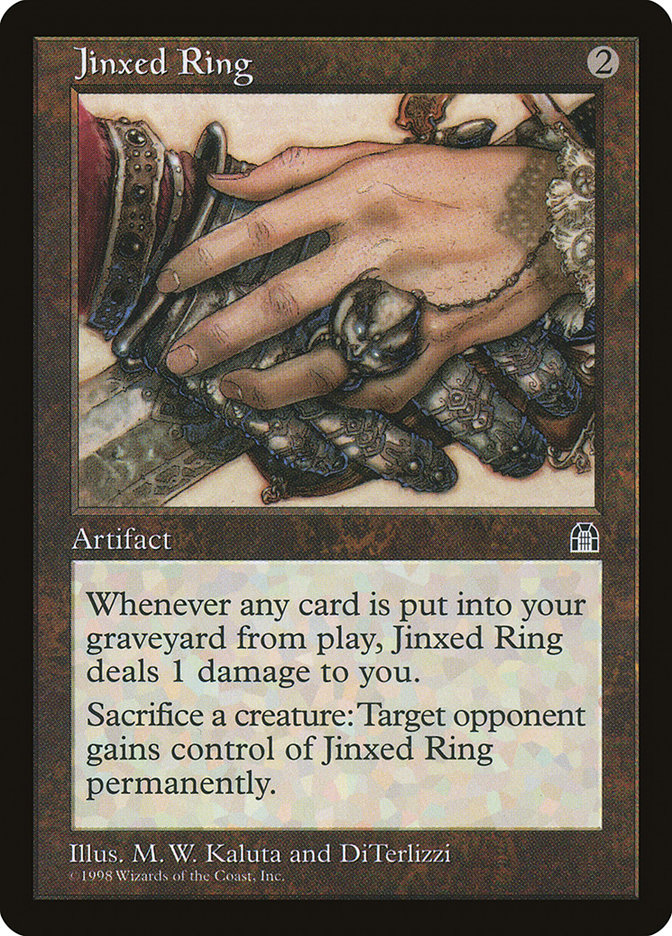
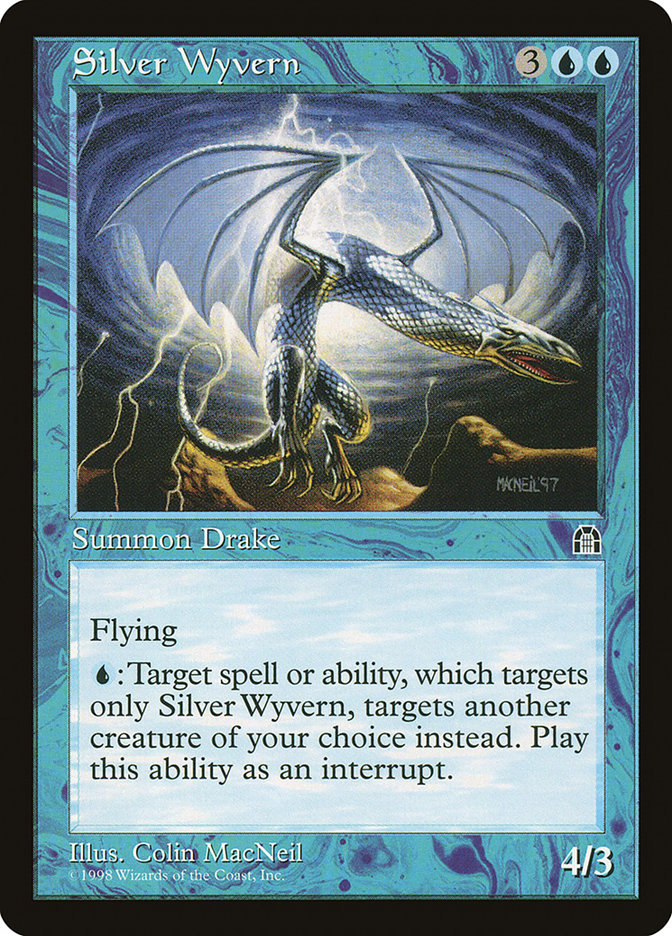
Alas, the Curse of the Bobo Rare was burning the midnight oil at the time: I opened 5 copies of Reins of Power ($1.73), 4 copies of Jinxed Ring ($.50), and 6 copies of Silver Wyvern ($.80).


As mostly a postscript to the above, my son agreed to a Core Set 2021 Bundle battle with me several weeks back. We each opened 6 of the 10 boosters from our bundle, and the first 3 packs I opened contained these:

Are curses inherited? Could I have inadvertently bequeathed mine to my son? If so…that is NOT how I wanted to shed the curse. The kid got no mythics, but did get 2 copies of this bobo…

Trash that requires treasure to use. Fitting

Next time…I have no idea. And I say that, perfectly aware that will not build any suspense on your part. I just don’t know what comes next. But tune in anyway!

Uro: Magic Maker of Julienne Fries

August 14, 2020

offiziersmesser – noun [German] : a penknife incorporating several blades and other tools such as scissors and screwdrivers

It pains me to start here. Almost as much as is pains me to play against this ^&@#!*ing card.

International symbol of miserable Magic gameplay

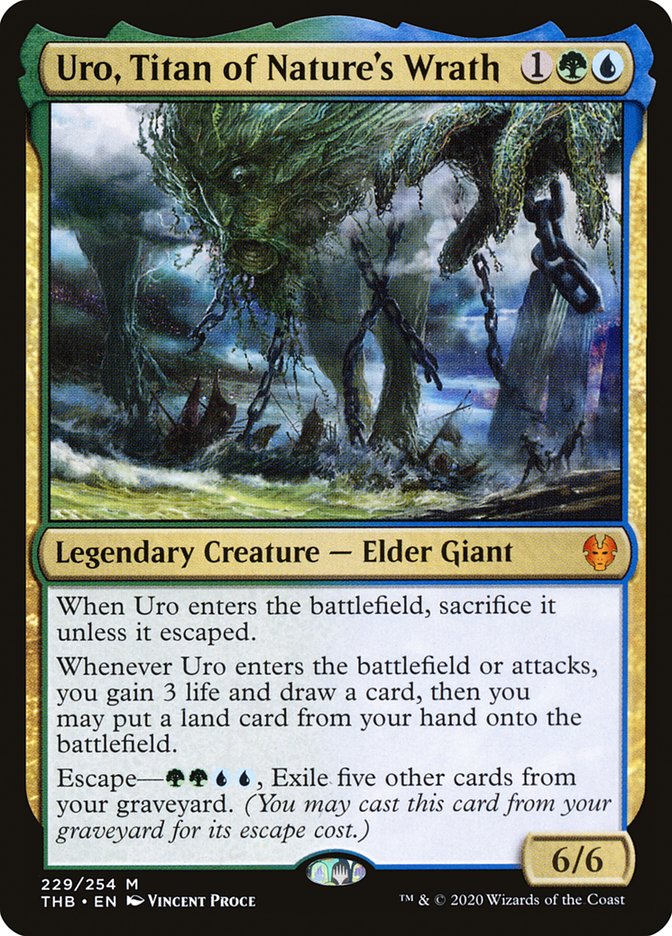
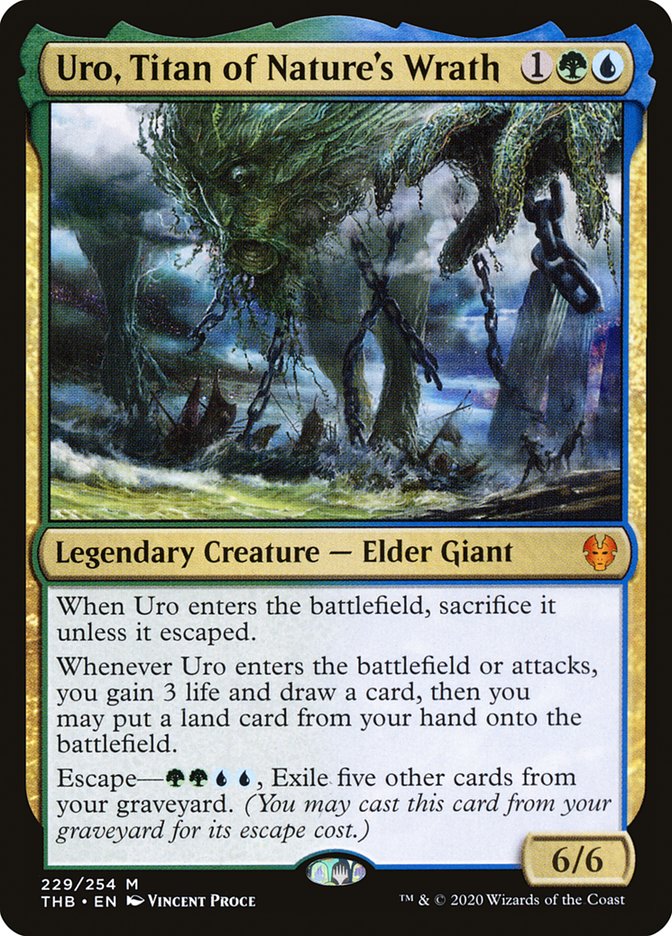
Uro is incredibly powerful.

Uro is ubiquitous.

And as of this writing, Uro is valued at $47, down from an all-time high of $59 but still nearly $20 more than the second most valuable card in all of Standard, The Great Henge. And much of Henge’s value appears to be driven by Commander, as it sees very little play in competitive Standard brews (some mono-green aggro decks run a couple copies, and that appears to be it.)

If you’re playing any (semi-competitive) Standard deck with green and blue in it, you just have to play Uro, because not only is it egregiously strong, it is also (I suspect – I’ve never used it) a really fun card to play. Who doesn’t want card draw? Who doesn’t want ramp? Who doesn’t want incremental life gain? Who doesn’t want a recurrable 6/6 beatstick with comes-into-play and when-it-attacks abilities that let you do all the fun stuff every stinkin’ turn it’s in play?

Seriously, think about it. It draws! It ramps! It beats! It gains! It recurs!

Uro is the Veg-O-Matic of Magic.

Uro may look pretty unassuming as a kitchen gadget, but this thing has been making chefs swoon since 1963. I can only hope Uro’s popularity is less perpetual

And it is obnoxious to play against. Even if your deck is (somehow) able to effectively deal with it, by the time your opponent plays it you’re already behind on resources on multiple levels.

Uro is among the penultimate “fun to play with, awful to play against” cards that players love and loathe in equal measure.

For 7 mana you can play it from your hand and recur it from your graveyard, drawing two cards, gaining 6 life, potentially ramping two lands into play, and gracing you with a 6/6 that will continue to accrue substantial value every turn it survives. And it survives death, returning to tilt the opponent all over again.

If it’s on your side of the board, Uro is a blast. The player on the other side of the table, however? Unless they’re also playing Uro (which isn’t too great a stretch in the current Standard environment) they’ve got nothing that splatters value everywhere quite like the Ur-O-Matic.


As a middle class Magic player, Uro presents me a dilemma. Few of my decks are pedal to the medal jank, so strong cards are not foreign to my builds. But I have a natural resistance to using cards that I despise facing myself. If I don’t enjoy playing against a card, or an archetype (staring menacingly at you, RDW), why would I inflict that misery on my opponents? (I know, I know…to win.)

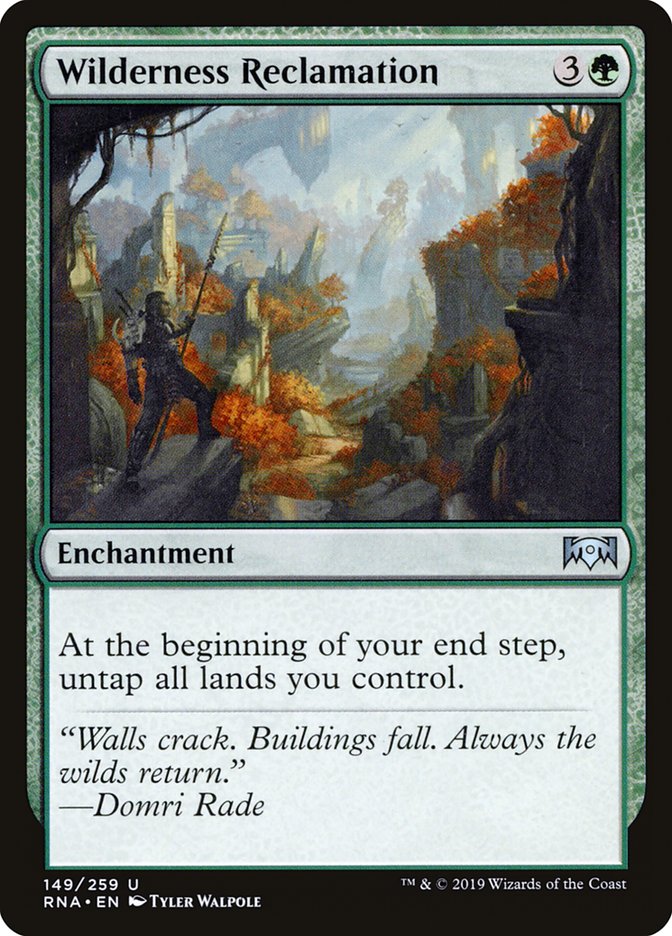
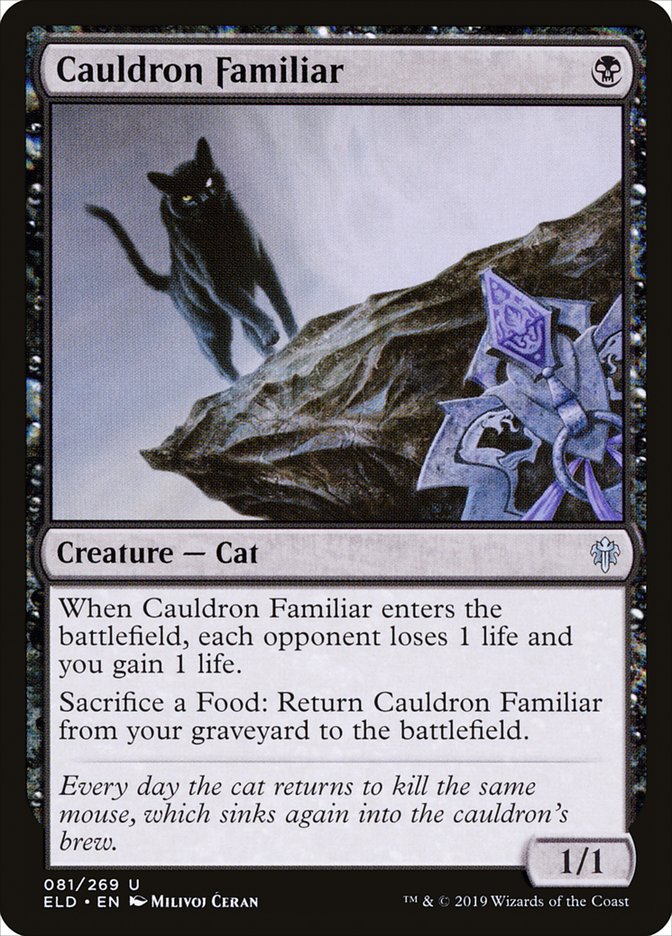
Sure, maybe my opponent WANTS to play against Uro, or Teferi, or Wilderness Reclamation, or Cat/Oven. But if they did…if they really enjoyed facing the best (worst) of the meta, they’d be playing on the Arena ladder, right? That’s where you’ll face the strongest cards run by the fiercest competitors. If it’s Uro and its ilk you want, you’ll not lack for opportunities to wrangle with the Simic Titan there.

In the Arena Play queue players are surely looking for a different experience, right? That’s where you can go to jam jank, play Nine Lives meme decks, and grow armies of cat birds.

Except, as I’ve talked about before, the Play queue is hardly a haven for casual fun. Pubstomers abound, and jank, while present, is rather outnumbered. Honestly, I think a not-insignificant portion of the population of the Play queue are players like me – middle class spellslingers who don’t have the cards and/or the desire to fully optimize their decks into meta oblivion. So we run pseudo-jank. Decks with synergy and some strong cards, but nothing that could regularly match whatever the competitive meta’s offering.

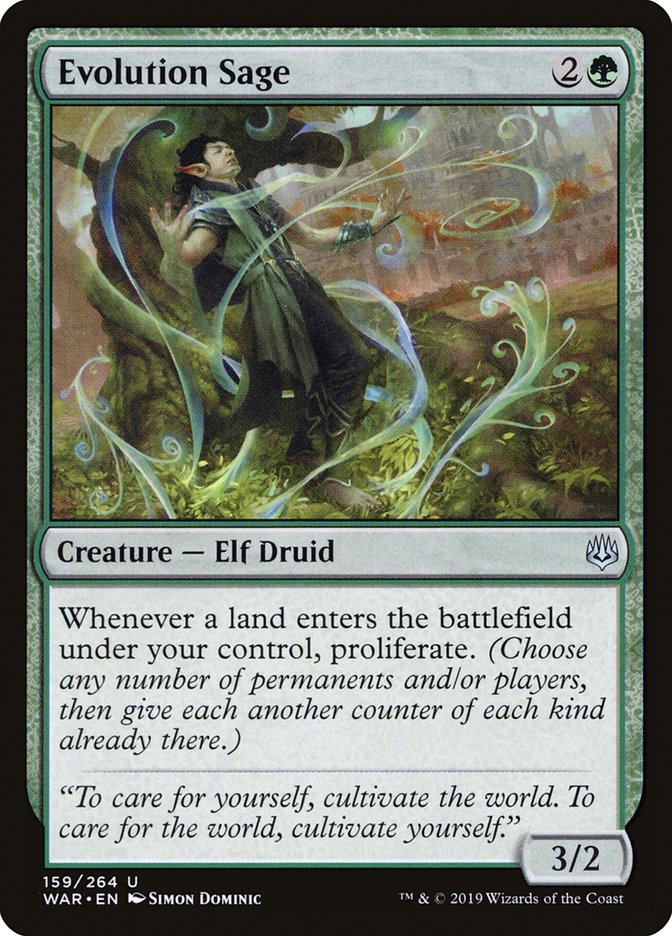
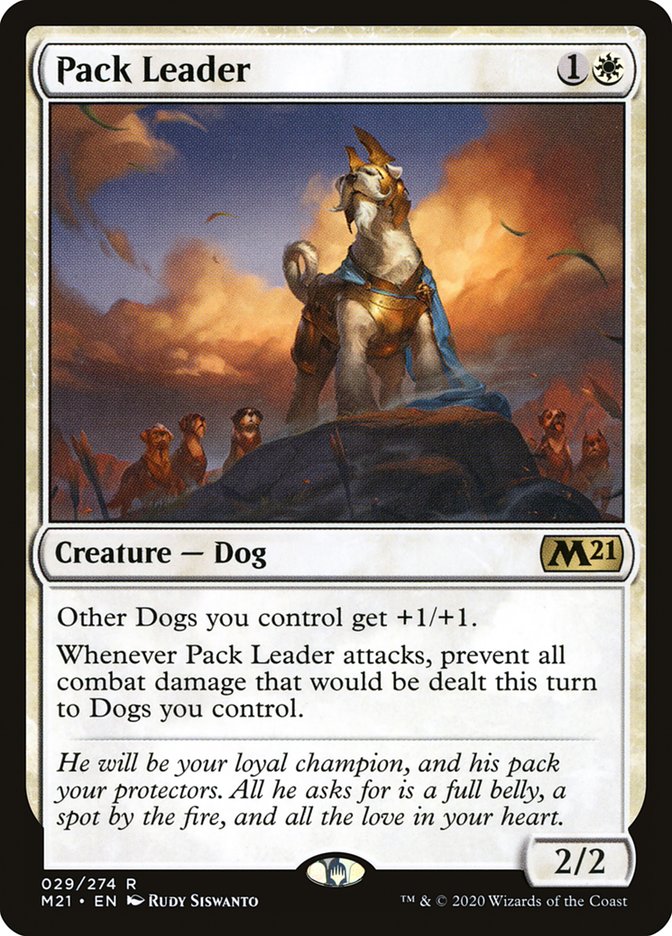
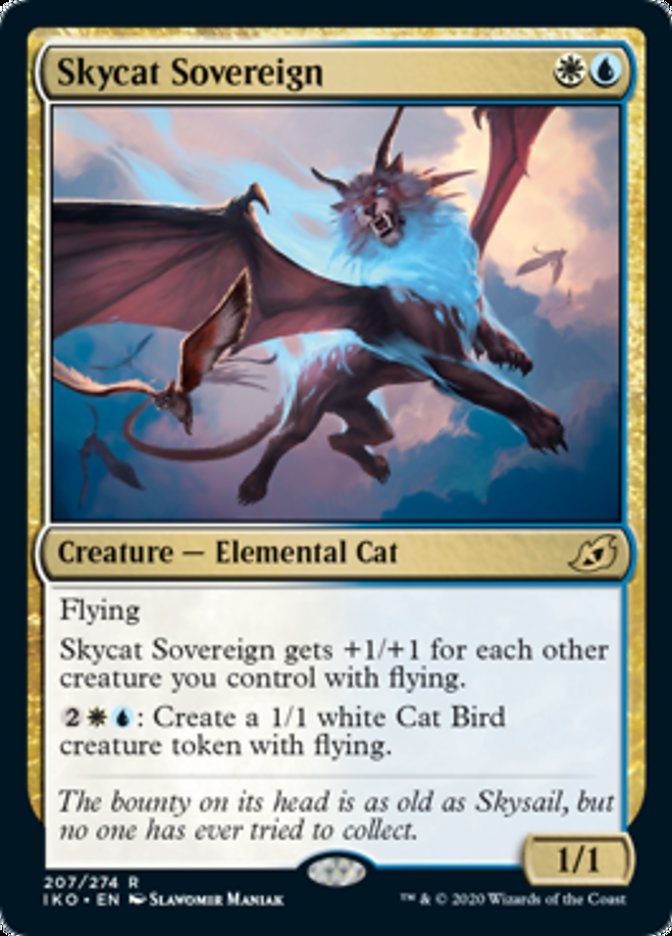
Blue/white flyers. White/black lifegain. Gruul aggro. While not prevalent, I do see these and others – tier 2/3/4 decks with a mix of “fun” jank (Skycat Sovereign, Evolution Sage, Improbable Alliance, Pack Leader) and brutally efficient plays (Bonecrusher Giant, Agonizing Remorse, Shatter the Sky, Dovin’s Veto.)

The Arena developers have stated they are looking into ways, outside of daily wins, to incentivize players to log in regularly. But they also admitted nothing is imminent. Players themselves seem split between those who believe a “kitchen table” or non-competitive/jank queue is possible and necessary, and those who believe tryhards are inevitable and undeterrable, and will ruin any such queue (thus it’s not worth the programming effort.)

As minimal consolation, the recent bans and the upcoming Standard rotation in mid-September have (or soon will) overhaul the Standard meta and refresh the flagging desires of many a non-Spike to log in and play.

But Uro will remain. People’s desire to play “broken cards that do broken things” will not have changed in the slightest. And players like me, those middle-class pseudo-jank only-so-competitive types, will still be left with the choice:

  • Play strong cards or value engines like Uro that improve any/all compatible decks they slot into, regardless of whether they fit the deck’s theme; or
  • Refuse to play cards that make for a grueling, if not outright miserable, experience for the opponent
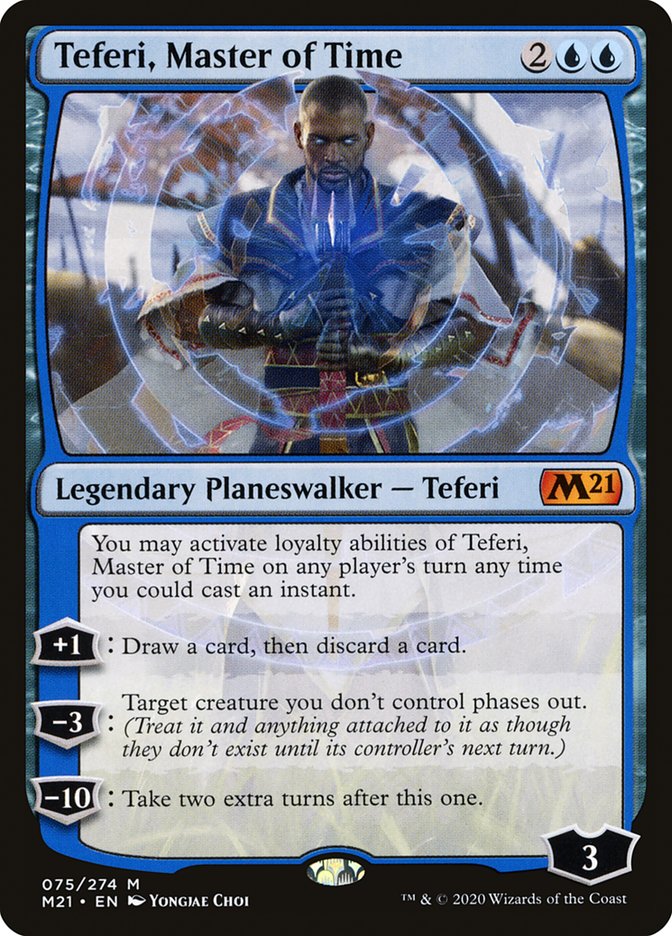
Are cards like Uro a necessary evil for the good of the game? Does choosing to play (or not play) powerhouse cards regardless of context say anything about the player? Where should the balance between fun-to-play / awful-to-play-against be drawn, whether by design or play choices?

I’ll continue exploring these themes (and likely asking more vague and unanswerable questions) in upcoming posts.

Until then…

Uro is coming, and he’s making fries!

Rue-Brick

August 7, 2020

rubric – noun : a statement of purpose or function

I didn’t finish my next article (i.e. rambling rant) on optimization. It’ll hopefully arrive next week. Today you get…this.


Play Magic long enough and you learn (and sometimes willfully ignore) the ingrained mantras (jargon?) about how to properly play the game that get handed down from the past. Some advice is spouted by friends, some you read about in strategy articles or draft guides, and some you learn on your own.

A few I’ve picked up (and/or let go) in my time with the game:

  • Never leave an opponent at 1
  • Packs are for drafting
  • Don’t counter the card draw, counter what they draw
  • Always mulligan a 1-lander
  • Cast new creatures after combat
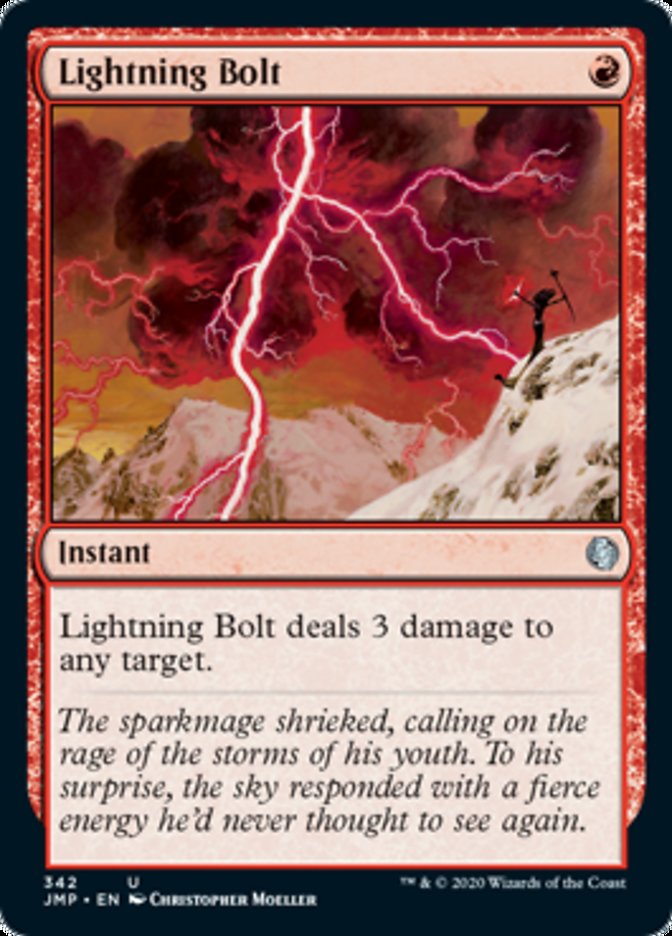
  • Bolt the bird

As sensible as they may come to sound when repeated often, all are flawed if followed blindly. The mantra I want to sound off on today is:

  • Use instant-speed removal as an instant, not a sorcery

It’s actually rather sensible advice. A typical scenario:

Your opponent plays a creature you want to kill. You untap and draw an instant-speed kill spell. Instead of just firing it off on your turn, you hold up the necessary mana and pass the turn. Then, when your opponent tries to enchant that creature, or pump it in combat, or otherwise get added value with it, you cast your kill spell and ruin their fun, sometimes netting a 2-for-1 card advantage bonus.

So…sensible.

Except when it’s not.

Like so many Magic mantras, this one is conditional. As they might say in a business meeting you’re leading, “read the room.”
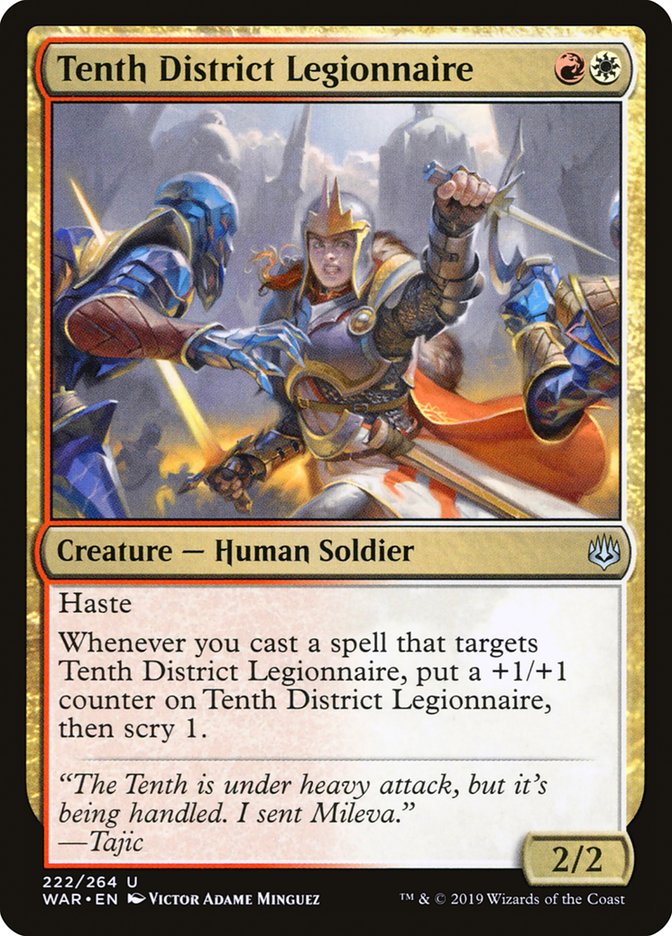
My opponent was tapped out with a Tenth District Legionnaire in play. In the right deck (pretty much any deck that chooses to use this card) it can get out of hand and become mightily difficult to deal with. I wanted it dead. It was just turn 2, but I knew what possibly awaited me.
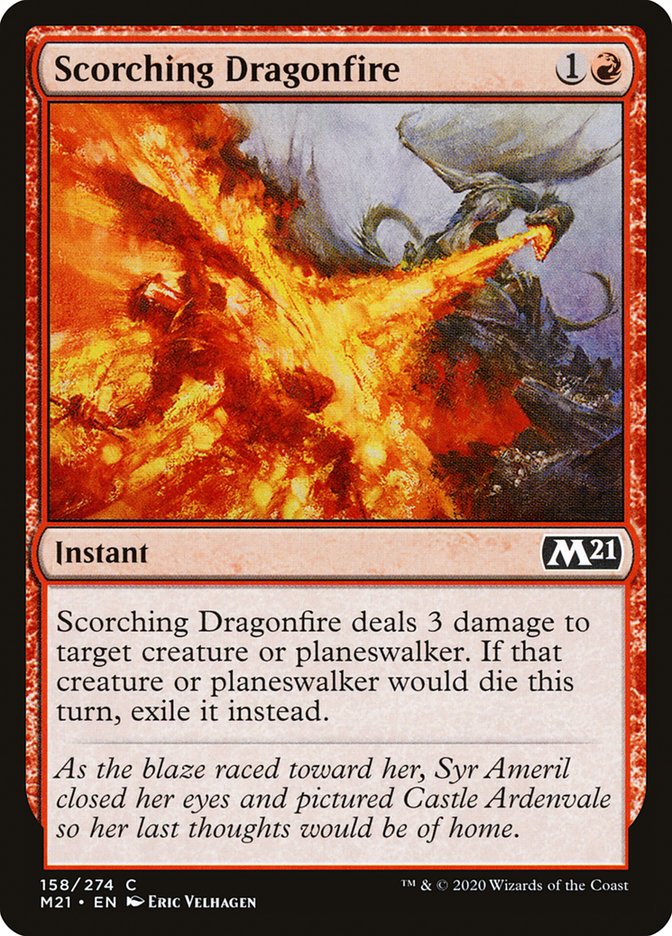
On my turn I drew Scorching Dragonfire – a perfect answer. With no other real play I pass the turn with my 2 lands untapped and the burn spell primed.

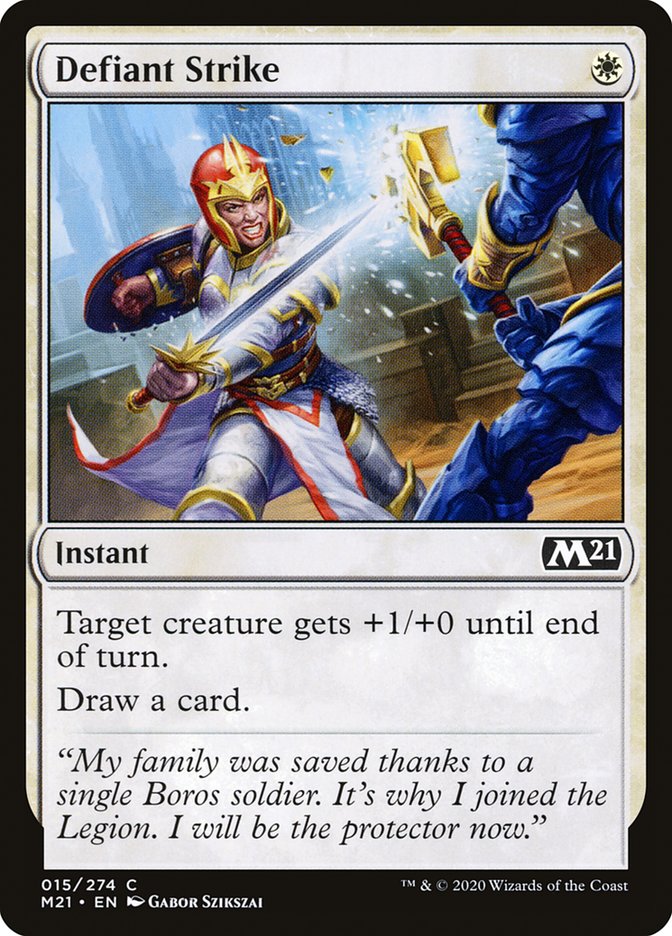
The Legionnaire starts its sprint for my face, and I suspect a pump spell. I pass to blockers. And right on cue, out comes a Defiant Strike that will turn the soldier into a 4/3, give the opponent a scry, and draw them a card. I zortch it with Dragonfire. Played to perfection, as I’d learned to do through years of mistakes and eventual mental reinforcement about how to time kill spells: use instant-speed removal at instant speed, not as a sorcery on your own stinkin’ turn.

So…yeah…

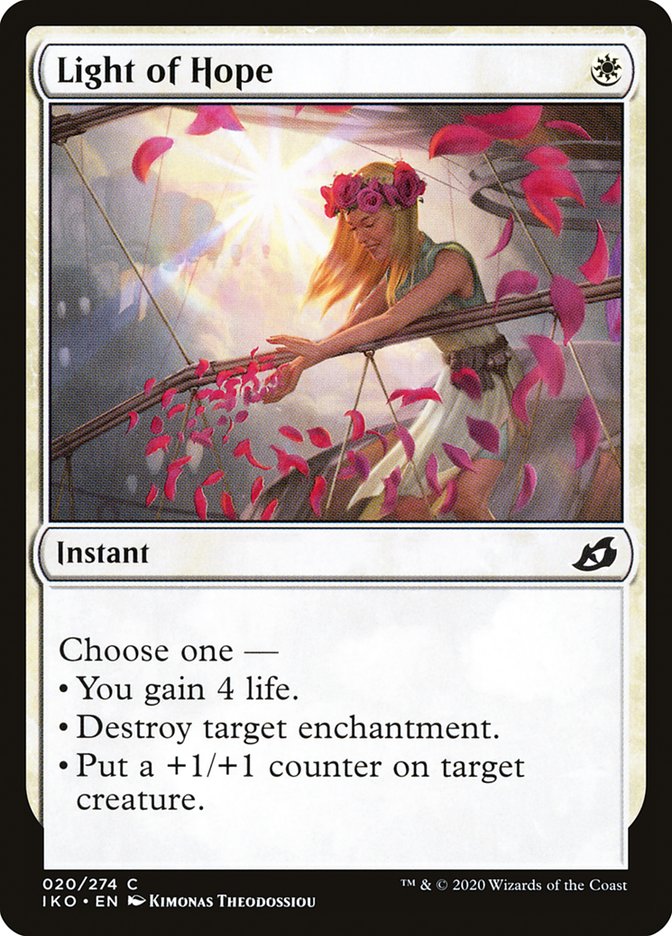
My opponent responds with Light of Hope. The Legionnaire is now a 4/4 when my 3-damage burn spell resolves, and a 6/5 when the Strike lands. I am now at 12 life, with nothing in my hand that can handle a 5/5, and I quickly lose the game.

The deck I’m facing is a Boros deck built to pump and protect its creatures. When the opponent is tapped out and you have the kill on a Legionnaire, or a Feather, or an Aurelia, or a Krenko – you play it right then, right there. You don’t give them the opportunity to untap and use Gods Willing, or Fight as One, or Infuriate to protect their win conditions from your removal.

I let the rubric dictate how I played, instead of the actual game-state staring right at me, and it likely cost me the game.

So naturally, the VERY NEXT GAME, I didn’t use a Scorching Dragonfire on my opponent’s Spellgorger Weird while they were tapped out. I held it use at instant speed on their turn…and it got countered.

Guess which creature grew too large for my burn to handle, and flattened my life total?

Big oofs.

Bad hobbits die hard.

The Perfect Is the Enemy of the Fun

July 31, 2020

oppressive – adjective : unjustly inflicting hardship and constraint, especially on a minority or other subordinate group

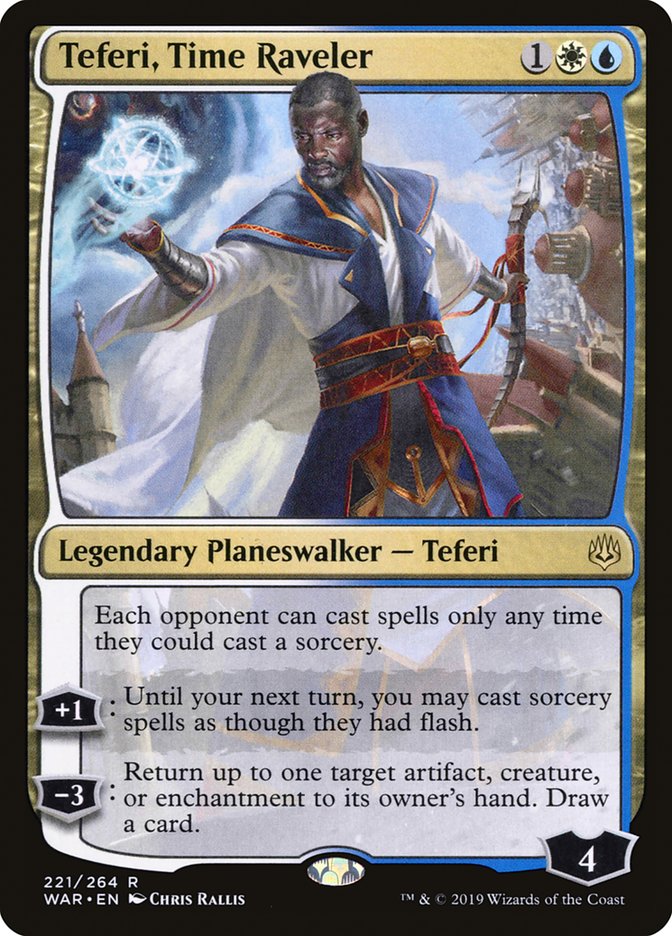
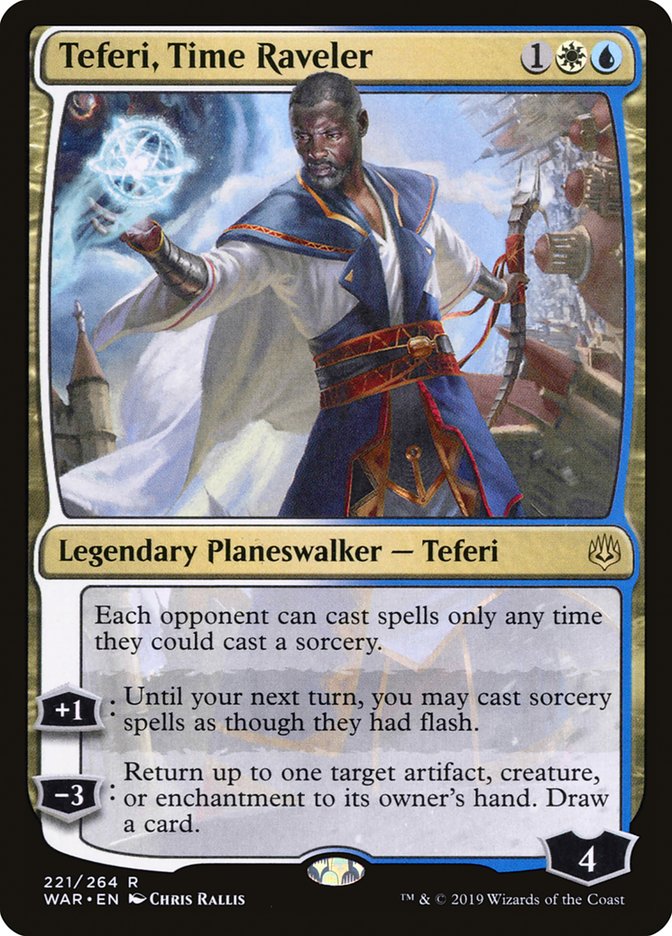
Nobody believes Teferi, Time Raveler is a fun or interesting card.

Hyperbole? Quite possibly not.

Like most of the strongest planeswalkers, the entire game changes the instant Teferi appears. Except Teferi’s static ability actually changes a fundamental aspect of the game for as long as he survives. If you’re facing one, you assuredly have to find a way to get rid of it. Swing for Teferi or swing for the face? Unless you’ve got lethal, it’s not even a consideration. And truth be told, there are times I have lethal and I still want to just slug my opponents’ Teferi in the throat instead.

No one will miss him when he rotates out of Standard, and I mean NOBODY

Casual players universally appear to hate the card, and calls for its banning have been frequent and vociferous since shortly after War of the Spark was released over a year ago. And while most such arguments revolve (and inevitably fall flat) around the way the card alters how Magic is played rather than the its overall power level, I’ve never seen anyone claim the card is enjoyable to play with or against.

For competitive players Teferi is a necessary evil or an infuriating nuisance. I’ve never seen any argument that it leads to anything but a miserable game experience.

And it’s among the most common cards I face in the Play queue on Arena.

Why?

No, seriously, WHY?

Because many players would rather win than have fun.

Except that’s not a fair argument. Many Magic players will argue that it’s the winning that makes the game fun for them. The archetype they select, the strategies they employ, the cards they use…all of that is secondary, if not completely incidental, to the only goal they have: to win.

Many competitive Magic players, including some of the best players in the world, will play whatever they perceive to be the best deck in the format. And the best decks are those that are fully optimized. If the whole thing is a total bore to play, or creates a miserable experience for the opponent…oh well. To many players winning is everything, and winning is fun, and the rest is inconsequential.

And in competitive contexts, all of this is fine. People climbing the ladder on Arena should have a pretty good idea of what they’re agreeing to when they queue up. Teferi is a huge part of the Standard meta, so they should expect to see him. A lot.

Outside of tournament play, though? In a more casual, “fun” atmosphere, why play cards like Teferi? (Why indeed.) That question leads to others:

When playing non-competitively:

  • Do you owe your opponent anything?
  • How much should you value your own fun over anyone else’s?
  • Why play cards you don’t think are fun?
  • Why play cards you know make for a miserable play experience for others?
  • How much optimization is too much?

I’ll be riffing on these topics in the coming weeks, but I’ll close today’s post with a possibly-illustrative story.


I occasionally enjoy watching streamers play Arena on Twitch. Earlier this year I found a small-ish streamer who was a great player and a joy to watch. He almost exclusively played ranked games on the ladder, with a variety of meta decks. Though that’s wholeheartedly not my scene, I genuinely enjoyed watching this streamer. Not wanting to play competitive-level Magic doesn’t forestall me from enjoying watching others do it now and again. And this streamer was not only a capable player, he was also a good guy – funny, kind, rarely salty, always engaging with people in the chat.

One afternoon this streamer asked chat to help him build a new deck, and anything was fair game. Wanting to see him out of his element, I suggested “Big Butts” – a strategy that involves playing cheap creatures with zero or low power but high toughness, along with enablers that allow damage to be dealt based on toughness rather than power.

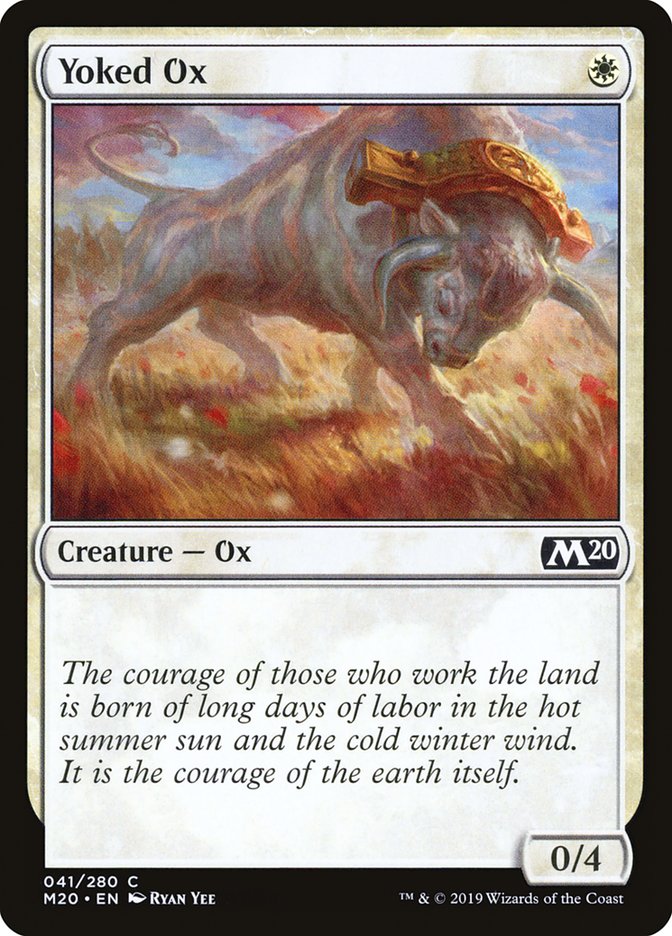
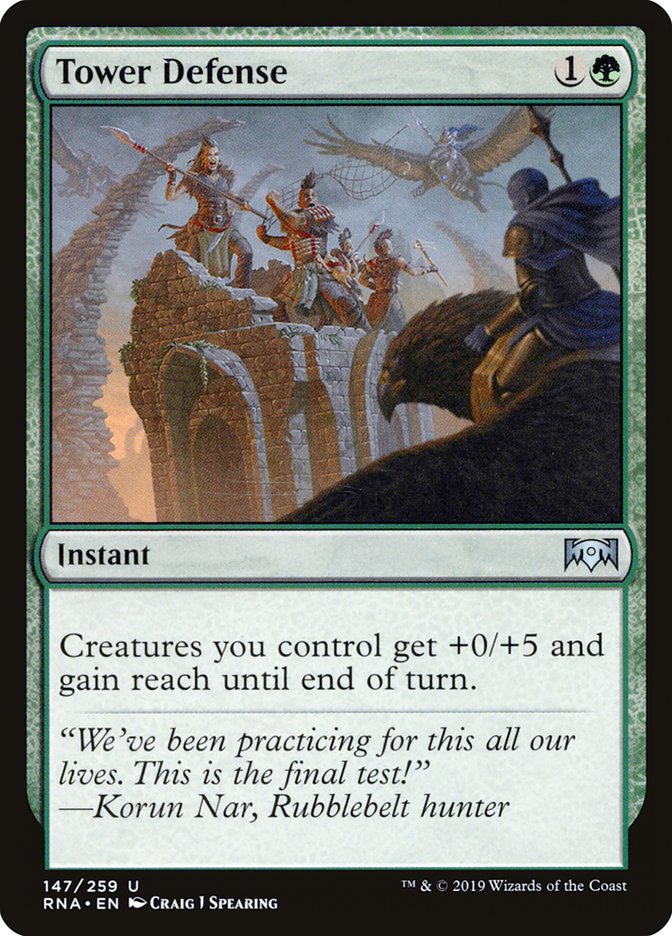
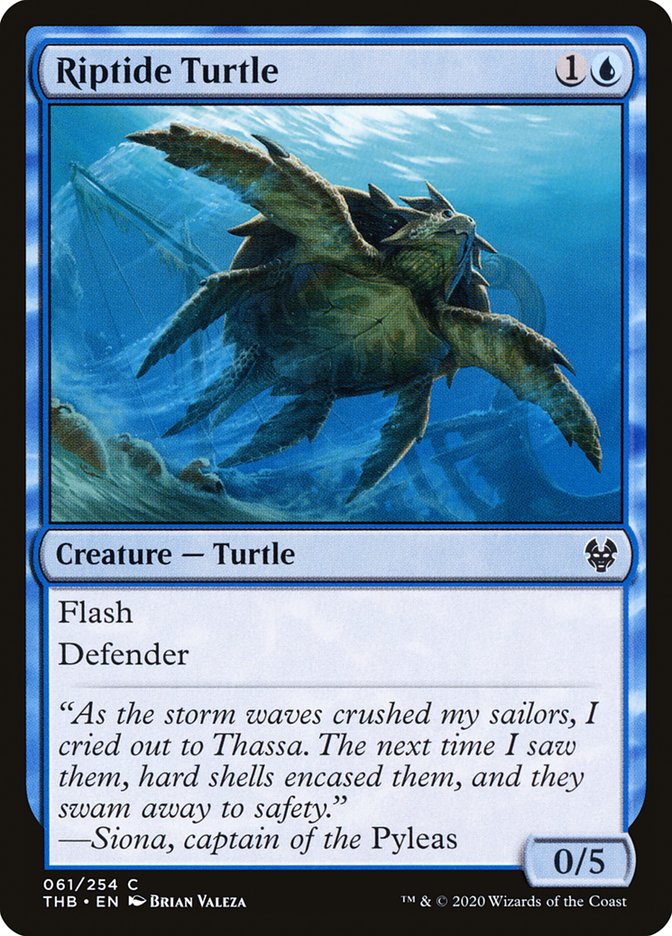
The streamer picked my idea and asked chat to throw out card ideas. And we gladly did so. Yoked Ox. Arboreal Grazer. Deputy of Detention. Gilded Goose. Merfolk Secretkeeper. Riptide Turtle. Fae of Wishes. High Alert. Huatli, the Sun’s Heart. Tower Defense.

The streamer added it all in, assembling what looked like a silly but fully on-theme big butts deck. I was ready to see what he could do with it (if anything.)

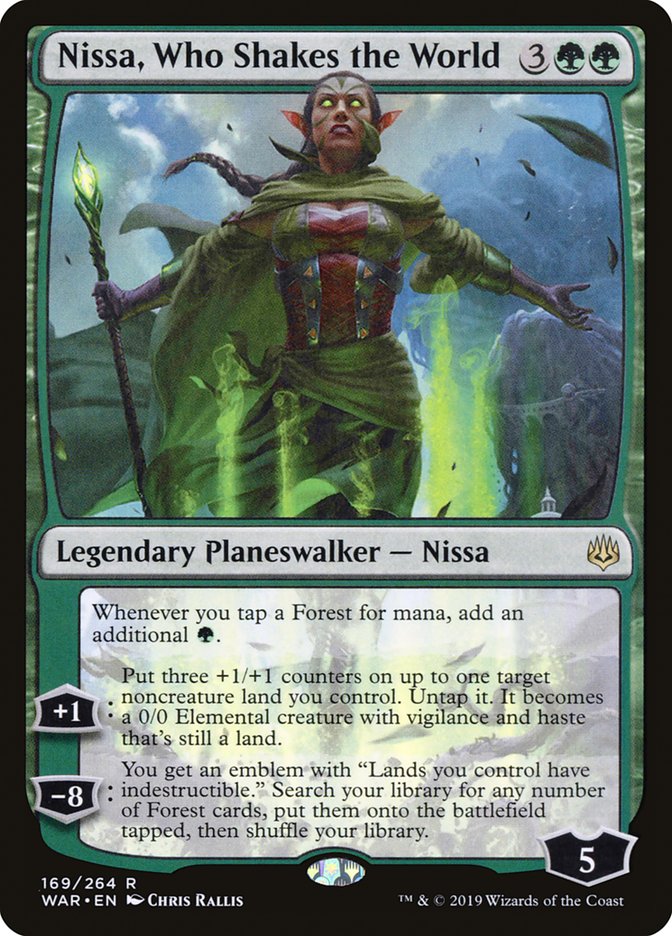
But then the streamer did something puzzling. He started taking creatures out, replacing them with copies of Nissa, Who Shakes the Metagame and T3feri.

Ah, Nissa, staple of big butts builds the world over

Only after he’d added 8 planeswalkers to the deck did he queue up. And, perhaps not surprisingly, he won his first match not through a rump-enhanced beatdown but by Nissa-animated lands made indestructible through her ultimate.

I haven’t watched that streamer much since this experience. I’m still not sure exactly WHY, but I was substantially disappointed to see the streamer gut a silly, thematic build he asked his viewers to build with him, in order to stuff it with powerful planeswalkers.

In my eyes, he optimized much of the fun out of the deck.

That said…I’m aware he traded what I considered fun for what he considered fun. Which is why I write this little casual Magic blog and he grinds to mythic rank on Arena while people watch.

Next time…hone sweet hone.

No Purple (or Red) Mountain’s Majesty

July 23, 2020

bonkers – adjective : mad; crazy

Two and a half weeks. Two and a half weeks without posting, my longest stretch since starting this blog. Why so quiet?

Over that stretch I’ve started multiple posts, only to abandon them when they didn’t come together. I’m still not even sure where this post is heading – it’s just another exercise in trying to break through and belch out something worthy to say.

I’d certainly planned to have things to say about Core Set 2021, but it’s fallen quite flat for me. And, I think, many others, based on what I’m playing against on Arena.

Over the past few weeks I’ve seen more mono-red aggro, more Teferi, Time Raveler, more Uro, than the months leading up to M21. Playing against any of those hardly encourages me to throw myself back into the Arena Play queue.

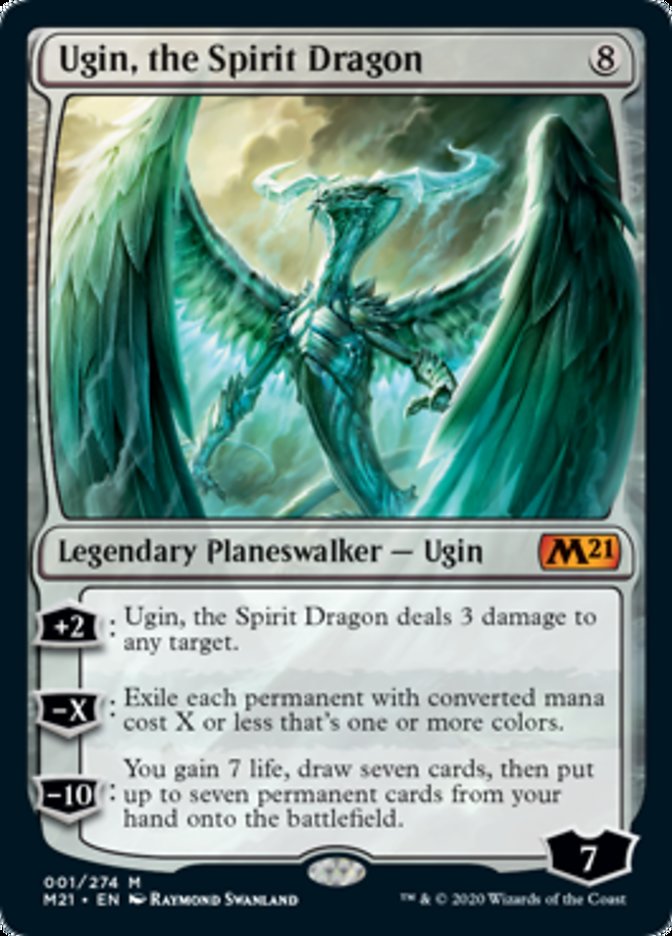
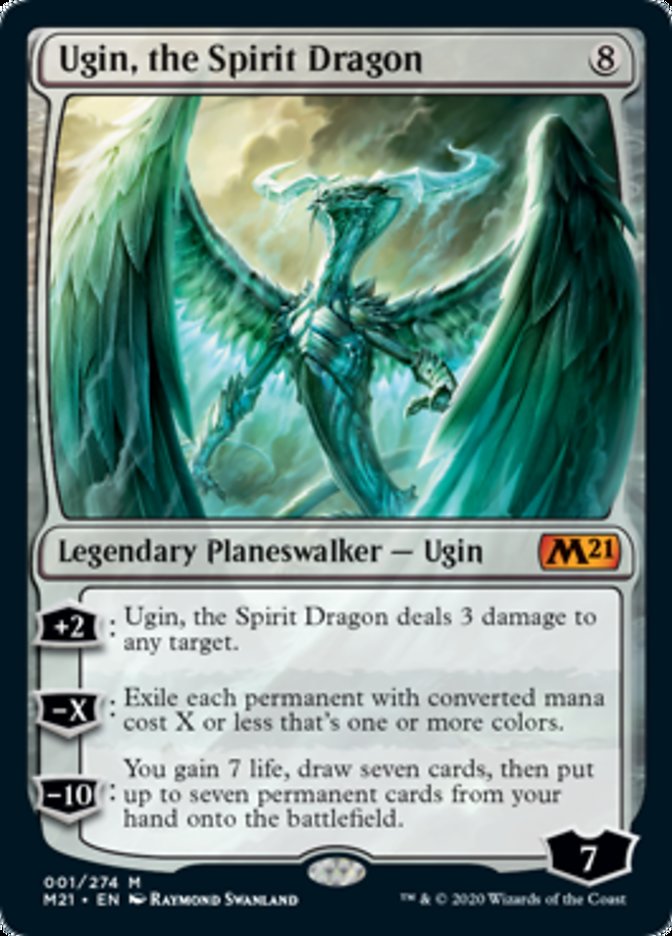
I can’t claim no one is playing M21 cards. I do see them on occasion. But the only two I’ve seen with any regularity are Cultivate and Ugin, the Spirit Dragon (and almost always within the same ramp deck.) I was “over” Ugin the second time one wiped my board and I spent many more turns desperately trying to find a way to remove it. And, to my delight and surprise, not only did I get it off the board, my predicament wasn’t (totally) hopeless.

You know what happened, of course. I spend turns, cards, resources, and a lot of mental energy getting Ugin gone. My opponent untaps, plays another Ugin, and wipes my board again.

At least he’s only in standard for 1 year

I haven’t been the victim of the mythical turn-4 Ugin, but I did see one turn 5. I conceded before my opponent even had time to fire off the minus ability to exile my stuff. There are many, many more things I’d prefer to do with my time, like clean my ears with an icepick or mow the lawn in 100 degree Colorado summer heat.

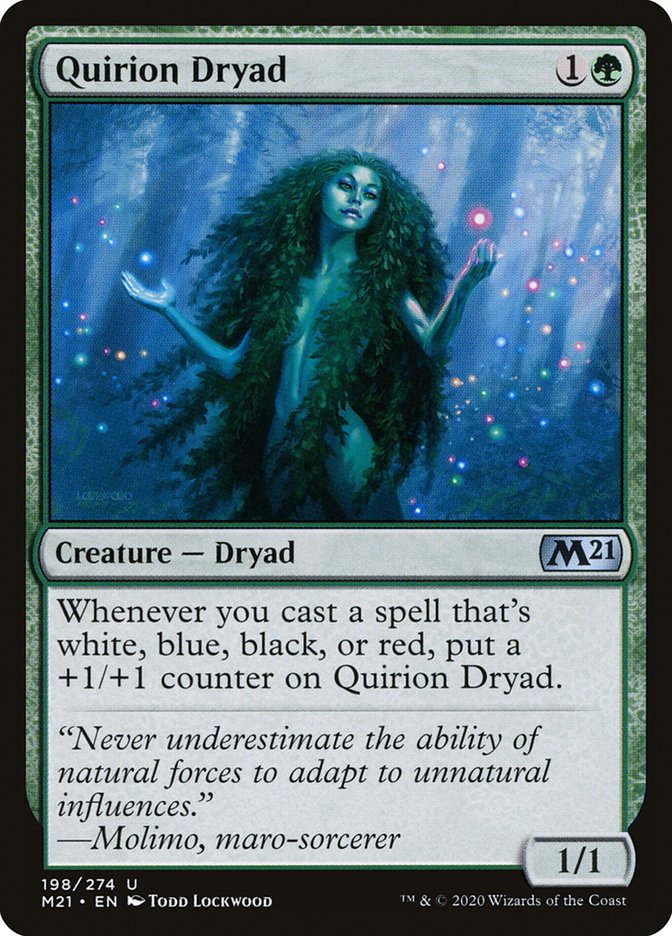
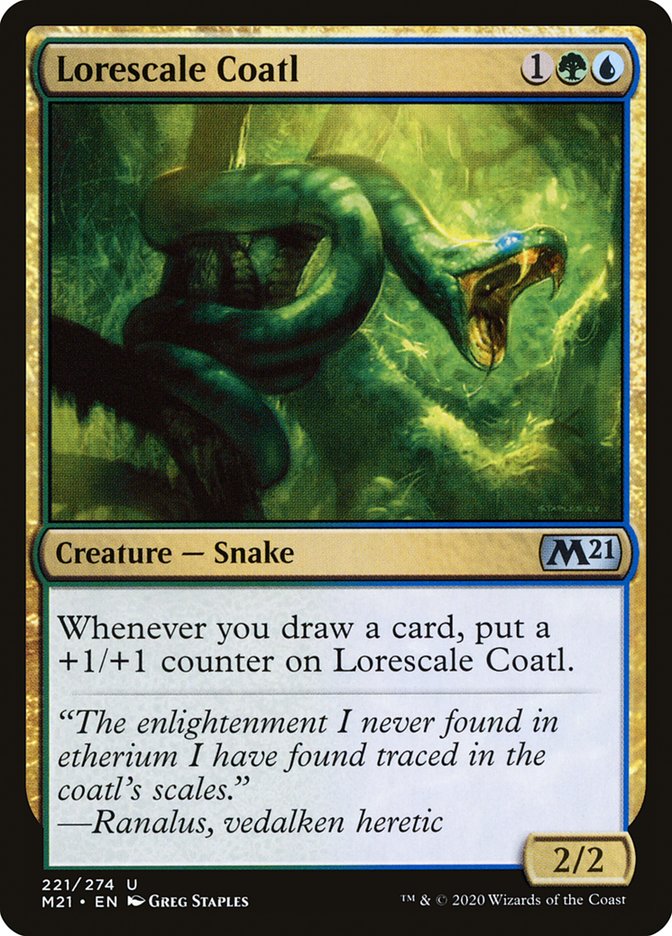
Upon the release of M21 I did build quite a few decks that looked fun. Some of them even WERE fun. But none had even a modicum of success in the Play queue on Arena. I was foolish enough to build a Simic deck and NOT run Uro, so I suppose I deserved the losses. The goal was to grow Quirion Dryads and Lorescale Coatls, and the couple times I was able to keep a few (and myself) alive for more than a few turns, the deck proved enjoyable. But the lack of evasion and/or trample doomed those games, and my attempts to retool the deck to shore up its weaknesses proved futile. I was running into RDW and ramp decks consistently, and getting unceremoniously trashed again and again. You’d think playing jank (or, at best, pseudo-jank) I’d be a glutton for punishment, but my tolerance for magical abuse has eroded with time.

The release of Jumpstart last week seemed like a refreshing respite from fighting floodwaters. I was initially willing to part with quite a bit of gold to try out a bunch of different combos, and the first two packs I combined – “Reanimated Angels” – worked decently enough. Your first two wins during the Jumpstart event earn a rare or mythic rare ICR (individual card reward) from Jumpstart, and my first couple ICRs were spiffy Jumpstart exclusive cards: Lightning Phoenix and Blessed Sanctuary.

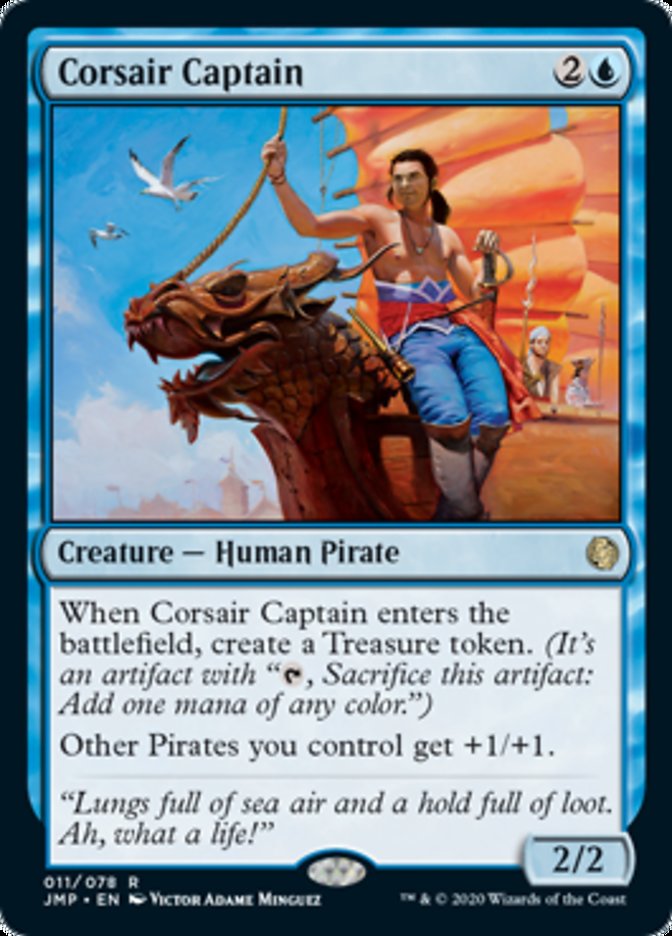
Wanting to try some different packs and get more ICRs (not to mention some of the awesome JMP-exclusive basic lands) I resigned and started a second playthrough. This time my “Feathered Friends Cats” deck was…messy. No synergy, and the Feathered Friends portion was full of expensive cards I wasn’t able to play before my cats were overrun and I was dead. It took about 10 matches to get my two wins, and my ICRs were underwhelming: Corsair Captain and Steel-Plume Marshal (at least they were Jumpstart exclusives that I would not need to craft with wildcards if I ever wanted to use them.)

Still, I’d had fun grinding the wins, and signed up for a third attempt. My next deck, “Heavily Armored Lands”, must be among the very worst combinations possible. I feel comfortable saying that, considering it took me about 25 matches to get the two wins needed for the ICR rewards. I opened with 13 losses in a row and was staring at what looked like another assured defeat. After a fairly lengthy game the opponent had a better board, and looked just a couple turns from certain victory, when they conceded. Perhaps out of pity, or just boredom at facing my pablum.

That victory was followed by several more losses, and I was utterly defeated. And I don’t mean the deck – I mean me. Before the event started, I’d told myself Jumpstart was going to be silly, casual fun, and I wouldn’t be bothered by losses. But as this third deck racked up a 1-16 record, often losing spectacularly (and out of nowhere) when victory seemed assured, I had to shut Arena down and walk away from the computer.

I’ve had miserable losing streaks before, but this felt worse. I’d somehow managed to select, of my own freewill, a combination of JMP packs of epically atrocious proportions, and then play it over and over without securing even a couple lucky wins. How had I not at least run into someone whose deck flooded badly, or who got manascrewed? I’d already lost multiple Jumpstart games to those inevitable situations, handing my opponents easy wins when my deck refused to cooperate. How had I not been the recipient of that same good fortune?

After an hour or so to fix my headspace I returned renewed and determined to get that second win and its reward. Sadly, I lost many more games before finally getting a victory that felt legitimate. And after all that effort, all that frustration…my ICR was a second Corsair Captain. There are, of course, worse ICRs that I could have earned. But with so many possible cards (the vast majority of which are better and/or more interesting than the Captain) this felt like a virtual slap in the face. I was done for the day.

Arrrrgh. This does not inspire me to build pirate tribal

The following day I had renewed hope for JMP and I joined a fourth event, this time selecting “Predatory Archaeology”. I didn’t count, but it took 10-12 matches to get my wins. I really do suck at picking compatible themes.

The memories of so many losses finally fading after some time away, I played two more Jumpstart events yesterday. “Dogs Witchcraft” and “Rogues Vampires” were…passable. I got more interesting JMP lands and more mediocre ICRs. Mild amusement, if not fun, was had.

My last takeaway from the event is this: I played in 8 Jumpstart events, selecting from 36 JMP packs overall. Not one of my possible selections was a red theme.

I’m not going to try and run the numbers on how unlikely that is. But I’d hazard a guess that it’s less likely than, to pick a totally random event, not pulling a mythic in 24 packs of Hour of Devastation.

Full and fair disclosure: of all the Jumpstart-exclusive basic lands, the mountains are, by a wide margin, my least favorite as a whole (the forests are, categorically, the most pleasing, while the islands are the most varied – stylistically and qualitatively.) Not having the opportunity to choose a red theme is…fine. I just find it bonkers.


I lied. After prepping this post to publish it, I went and ran the numbers. I fudged them a little, and assumed that there is a 20% chance of any given Jumpstart pack being a red theme. Of the 121 different Jumpstart packs that are possible to get, there is a single multi-colored pack. The rest are evenly split among the 5 colors. So to keep the math simple, I ignored the one multi-colored pack and assumed a 20% chance of a pack being a particular color. The odds of seeing 36 Jumpstart packs, and not one of them being red, is approximately: .03245%.

Three hundredths of one percent.

As I said, bonkers.

From Ugh to Ugin

June 30, 2020

peripeteia – noun : a sudden turn of events or an unexpected reversal, especially in a literary work

Did you know that home security systems run on something akin to a mini car battery that you have to change from time to time?

I did not. So the damn thing suddenly chiming incessantly at 10:30pm the other night was both obnoxious and baffling.

Ignorance is an ugly thing, especially when it wakes up your wife.

You know what else I didn’t know? That you can’t buy a Magic prerelease kit before 3:00pm on the Friday of the prerelease weekend.

Woe be to the sap who tries to purchase an hour before fully ripened

Apparently the employees at my LGS didn’t know this either, at least until the day the kits went on sale.

On Friday I used my lunch break to run a couple errands (including purchasing a replacement security system battery – money grudgingly spent.) While out, I swung by my LGS to pick up prerelease kits for my son and I to play that night. I arrived at the store at 2:00pm to be greeted by a sign on the main counter stating prerelease packs could not be purchased until 3:00pm. The store employees were apologetic and stated that WoTC’s communication on the matter had been…lacking. They were clearly not thrilled about sending me away empty-handed.

Later that evening I had to make the 50-minute round trip back to the store to finally buy them. I was justifiably annoyed (not at anyone in particular – the miasma just sort of hovered over me and clouded the rest of my day.)

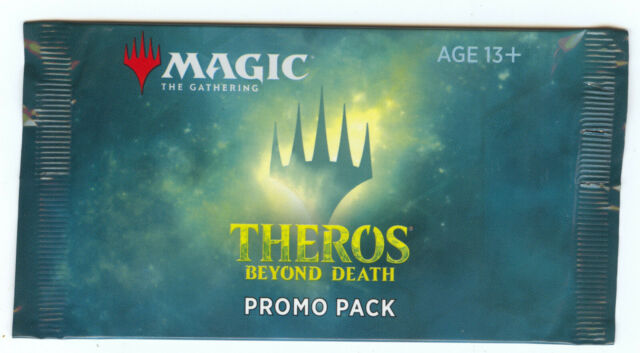
As a goodwill gesture, the store gave me three of these things when I picked up my kits:

These were a total mystery to me

As one of those lamewads who only visits their LGS for prereleases, I’d never gotten a promo card or pack at an LGS. I had no idea what was in these packs and whether the contents would make up for my frustration and lost time, but I appreciated the store attempting to make things right (or at least better.)

After dinner Friday night my son and I started opening packs, me in the kitchen and he in the living room. He quickly began some running commentary:

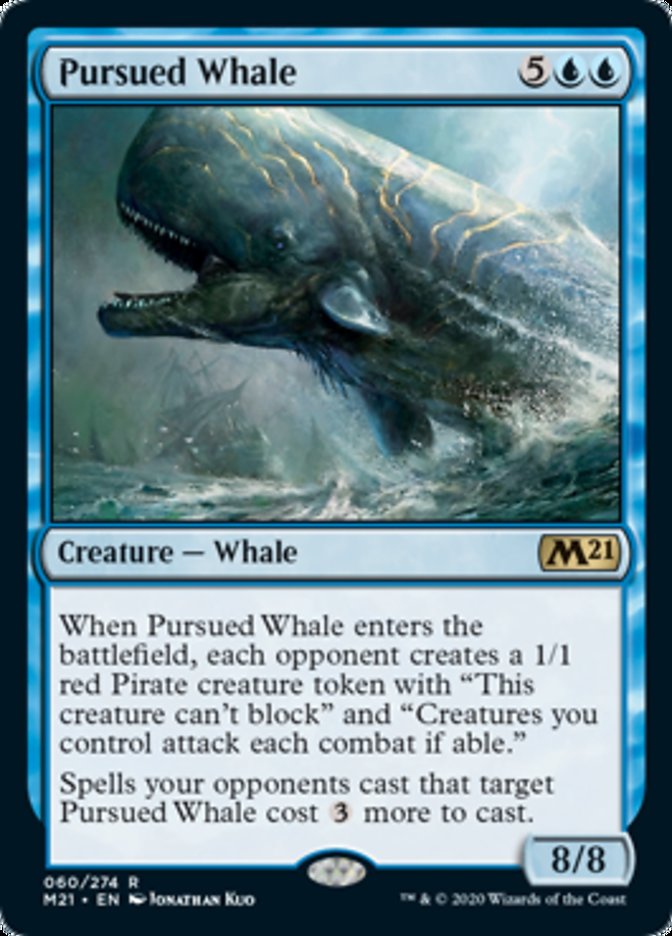
“My promo is Pursued Whale.”
“I got a foil rare.”
“Are there special arts in normal packs?”
“What was your promo?”
“I got another special art card, but a rare.”
“Check out this land!”
“Did you get any mythics?”
“I didn’t get any mythics.”

He showed me only the special land – one of the Teferi-themed Islands – but by the sounds of it, he’d done well overall. We also each opened one of the THB promo packs. His contained these 3 cards:

Mine had these:

We compared these mini-packs, and he agreed that he definitely got the better promo pack. Overall, I felt like he’d gotten a pretty good set of cards.

Except…

I’ve said it before – for the kid, getting a mythic is a huge deal with these kinds of openings. Getting one, even if it isn’t very good, can make or break his pack-cracking experience. We did an Ikoria bundle battle earlier this month, and the kid didn’t get a mythic in his 10 packs. I believe that disappointment was largely responsible for us playing with our bundle decks just one evening. They’ve sat untouched on the kitchen table in the 3+ weeks since then.

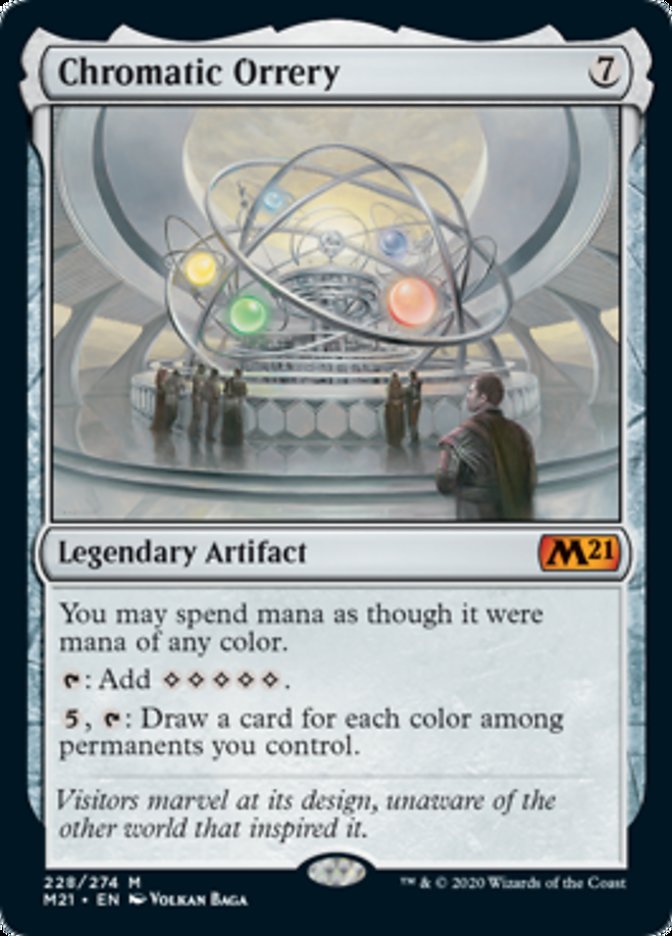
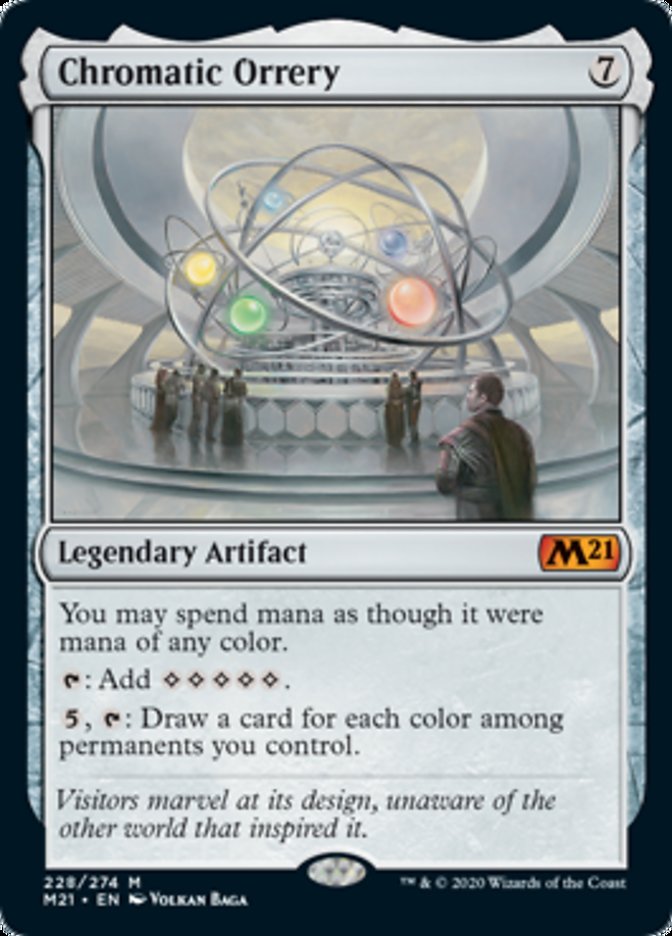
To my honest chagrin, I did get a mythic – the currently $10 Chromatic Orrery. Despite my assurances that it wasn’t good in sealed and wouldn’t be making whatever deck I built, he was likely bummed.

Not an ideal pull in a sealed deck. I *really* need to start playing EDH

Fair and full disclosure: hoping I don’t open a mythic because the kid didn’t get one is kinda lousy, and it irks me to fall into such a mindset. My wife and I have tried to teach him to be happy for others when something nice happens to them, or they get something he wanted but didn’t get himself. And while he generally handles these situations decently, there’s a definite limit to his empathy. We play Pokemon Go as a family, and he’s gotten vastly better at being happy for my wife or I when we find a shiny Pokemon. But if he goes weeks without getting one while we rack up multiples in that same period, his annoyance or jealousy inevitably creeps through.


Knowing he’s probably not satisfied with what he opened, I reminded him “you got a foil rare, and a special art rare, and that cool land. And your promo pack was way better than mine. You got a good set of stuff!” Empty words, I’m sure – I think his reply was along the lines of “I guess”

But we built our decks, and we battled. He with blue/black, me with black/green. Both color combos surprised me. I would never have expected the kid, a Gruul mage to his core, to go blue/black, even if they were clearly the best colors in his pool. I suspect his Pursued Whale was the impetus for his choice to include blue.

If I was a 1/1 pirate, I would NOT be pursuing this dude

For me, playing black/green was…bizarre. Arena offers up daily quests, many of which are to play 25 or 30 spells of a specific color combination. Most of the time I can fulfill these quests using one of my personally fashioned decks. When a quest requires playing a color combo for which I don’t have my own deck, I’ll use the Arena welcome deck of the necessary color combo.

And yet I cannot remember the last time I played the Golgari welcome deck. I’ve apparently avoided being stuck with that particular quest for a very, very, very long time. Truthfully, I have no strong feelings for black/green either way. I know the wolf tribal deck I played for a bit after Throne of Eldraine was released was white/black/green, as was a Calix enchantment deck I toyed with earlier this year. But I suspect its been 4+ months since I played a deck with black and green in it. I suspect every other 2-color combo’s been played on Arena a fair amount in the last month alone.

I win game 1, he takes game 2, and I manage to beat him game 3 despite a resolved Pursued Whale (I was able to kill the pirate token the Whale gave me, saving me from having to send my creatures to suicidal combat annihilation.)

Each prerelease kit came with two boosters as “prize packs.” For the Ikoria prerelease, the match winner got to pick which two sealed boosters were their prize packs. Pathetically, I don’t remember which of us won our Ikoria prerelease match, but I do strongly recall the kid’s IKO prize packs were much, much better than mine. This time, I suggested what I thought would be a more equitable way of splitting the prize packs – opening them all up, and drafting the rares/uncommons/foils in “snake draft” format (match winner gets pick 1, loser has choices 2 and 3, winner gets 4 and 5, and so forth.) My hope was that there’d be at least two strong cards in the 4 packs, to ensure we both walk away with something snazzy.

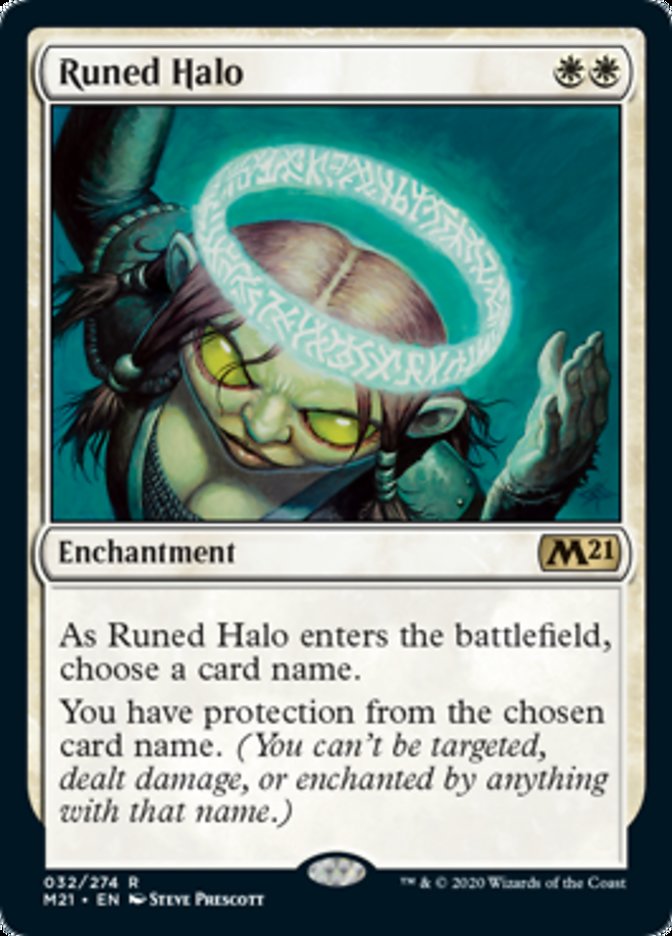
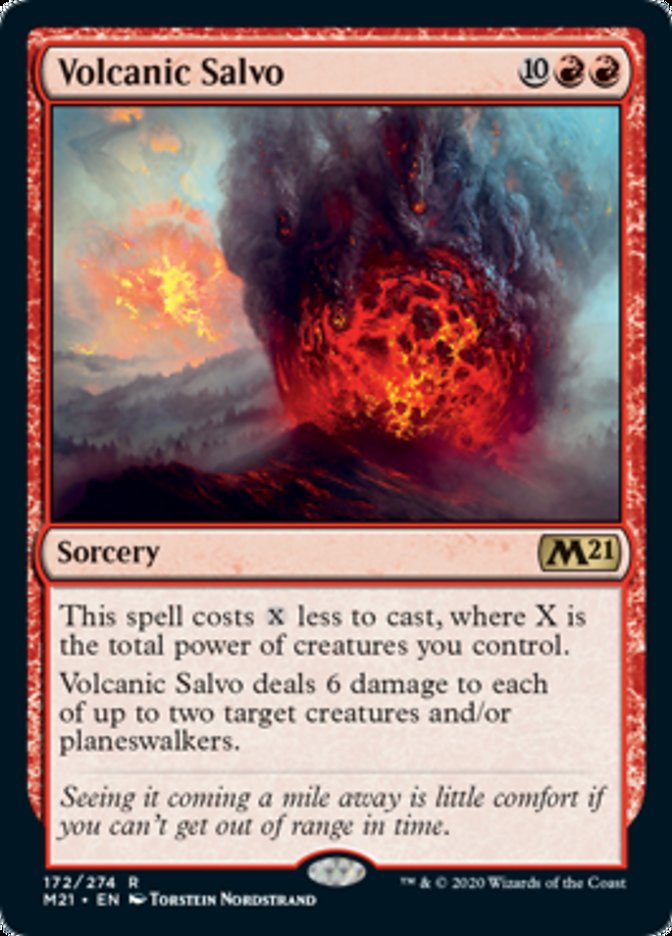
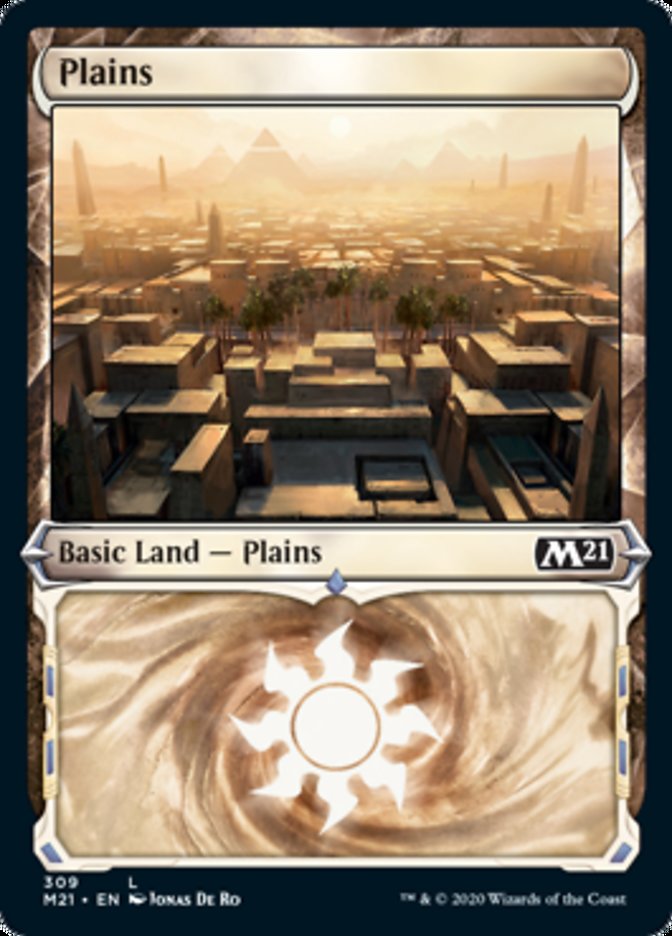
The two prize packs I open contain Runed Halo and Volcanic Salvo – neither particularly exciting (in fact, the Salvo is the second least valuable rare in the set currently, behind only…Pursued Whale.) There was also a very cool foil plains in the M21 showcase frame.

One of the packs the kid opened contained Fabled Passage; undoubtedly a very useful card, but one we both admitted was unexciting. It was the kid’s other pack that changed the trajectory of the whole evening. Immediately upon opening it he exclaimed, with a mix of excitement and laughter, “I know what card you’re taking!” That card?

!

He hadn’t even read the thing and he knew a mythic rare planeswalker was the clear first choice of prize picks.

Before any of you accuse me of being a monster, OF COURSE I gave it to the kid. When he asked me why I was going to let him have it, I explained that I’d gotten a mythic in my kit and he hadn’t, and that if he got Ugin, I would take the Fabled Passage, the foil plains, and one of the other rares. We’d then draft what remained as we’d originally planned (we included the last promo pack in the pool of picks, but its contents were tragically uninspiring.)

When I told my son Ugin was a reprint, and that the Fate Reforged version had once been worth over $80 and was still quite valuable, he was even more excited to have it. Though it was already past his bedtime, we spent 15 or 20 minutes discussing the card and how amazing it was, how quickly it could be ramped out with the right draw, and how hard it would be to overcame if played against you. I also let him know that I’d already been completely wrecked by it several times on Arena. The card’s a behemoth, whether ramped out or dropped on curve. I encouraged the kid to add it to his prerelease deck when we next played, though that hasn’t yet happened.

The cruel irony of all this is that Ugin, the Spirit Dragon was the one card from Fate Reforged I knew I would likely never own. Too expensive for me to buy as a single, and unlikely to be reprinted because of that same hefty price tag, I’d resigned myself several years ago to the notion that I’d never have the card. When I saw that it was reprinted in M21 I was shocked, but knew the chances of ever actually opening one from a paper pack was remote. And then, when I actually had the chance to add one to my collection, my first thought had been:

“Give it to the kid.”

My second (very brief) thought was “you won first pick, take it, you’ll never have another chance to get one.”

But my third and final thought was “let the kid have it – he’ll be so happy.”

He was.

Design a site like this with WordPress.com
Get started